In Montpellier, will the right-wing camp reap its rewards in the struggle of the left?

Contents4
In Montpellier, will the right-wing camp reap the benefits of the left-wing struggle?
The city of Montpellier is at the heart of intense political competition. As the various left-wing factions battle for control of the city hall, the right-wing camp hopes to capitalize on this division. While local issues such as urban development, ecology, and social policy are at the center of discussions, the question remains: will the right be able to assert itself by taking advantage of this strategic disunity?
The Division of the Left: Fertile Ground for the Right?
Since the alliance of the ecologists with the socialist mayor Michaël Delafosse, several local initiatives have been put forward to convince Montpellier residents of the benefits of the left-wing agenda. These initiatives include the renovation of Place des Arceaux and the implementation of the bicycle plan. However, this collaboration does not prevent internal tensions that are weakening the progressive camp. Field operations like « An Hour for Montpellier » demonstrate a willingness to engage with citizens, illustrated by direct exchanges, such as that of Marie Massart with a local retiree. Despite these efforts, the weight of popular criticism of the execution of certain projects remains palpable. Is it possible to imagine the right seizing this opportunity to strengthen its own influence? Local Issues: A Catalyst for Electoral Change As Montpellier prepares for the 2026 municipal elections, it is crucial to consider local issues. These include urban transformation, access to new green spaces, and the promise of a vibrant city life, with ambitious projects such as the opening of the region’s largest rooftop bar this summer. **In this context, the right intends to structure its proposals around these concerns, hoping to attract voters tired of the left’s internal squabbles. However, it must itself appear united and proactive, learning from the left’s mistakes to convince undecided voters.**The Right’s Strategy: Unify and Conquer
To exploit its opponents’ weaknesses, the right-wing camp must prioritize unity and clarity in its political platform. In recent elections, right-wing candidates across the region have often failed to capitalize on the left’s internal divisions. However, with a well-thought-out strategy and charismatic candidates, it is possible to reverse the current trend. We can also look to recent history, such as May 13, 2012, to understand how previous political changes have redefined the city.
A priority for the Montpellier right could be to adopt an inclusive discourse that highlights the concrete benefits of alternative governance. The challenge is therefore to reconnect with voters, emphasizing themes such as security, efficient management of the local economy, and optimization of urban infrastructure.
Conclusion: A Political Future to Reshape Montpellier’s political landscape is complex, and the future remains uncertain as the elections approach. While the left-wing struggle continues to shape the debate, there is no doubt that the right-wing camp is attempting to capture voters’ attention and tip the scales in its favor. The results will largely depend on each camp’s ability to effectively communicate their visions for the city’s future.To learn more about the potential candidates and the issues at stake in the upcoming elections, visit
Montpellier Municipal Elections 2026
.
Read next
 News from the Montpellier region
Production vidéo à Montpellier : pourquoi les entreprises locales s’y mettent toutes
Montpellier est l’une des métropoles françaises les plus dynamiques en matière de création d’entreprises. Start-up de la
 News from the Montpellier region
Moving to Montpellier: how to manage your housing transition
Every year, thousands of newcomers settle in Montpellier. International students, young professionals, families seeking
 News from the Montpellier region
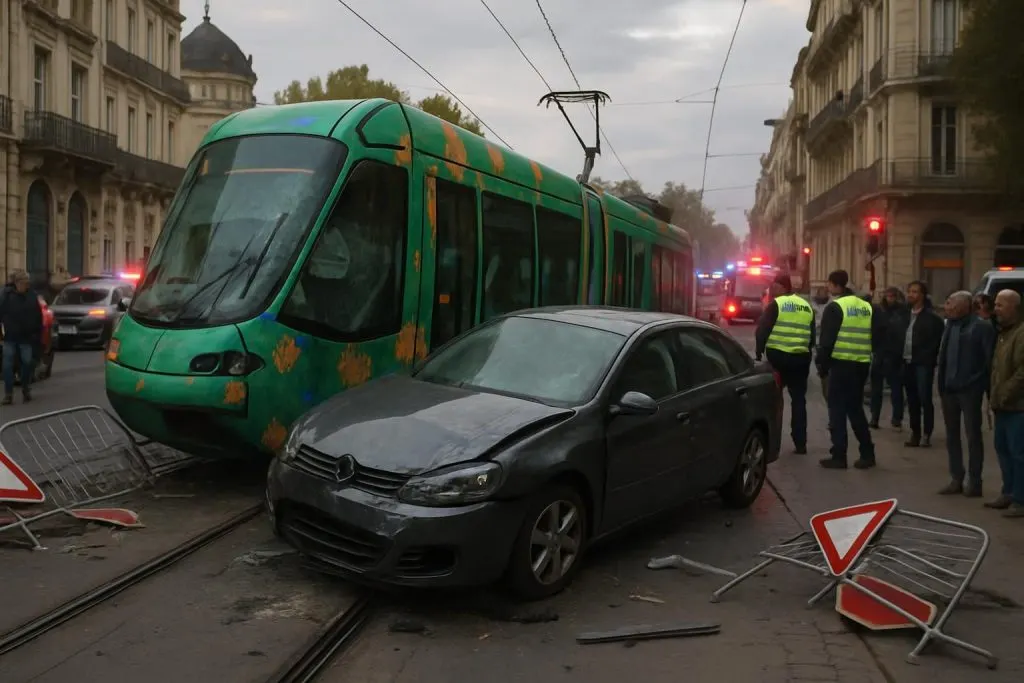
Montpellier: Collision between a car and a tram causes a derailment; the driver of the vehicle flees the scene; traffic is severely disrupted.
Montpellier: Car-Tram Collision, Derailment, and Traffic Disruptions An unusual incident occurred this Friday, January 6