Montpellier and its Low Emission Zones: The ban on Crit’air 3 vehicles begins on January 1, but without a control system
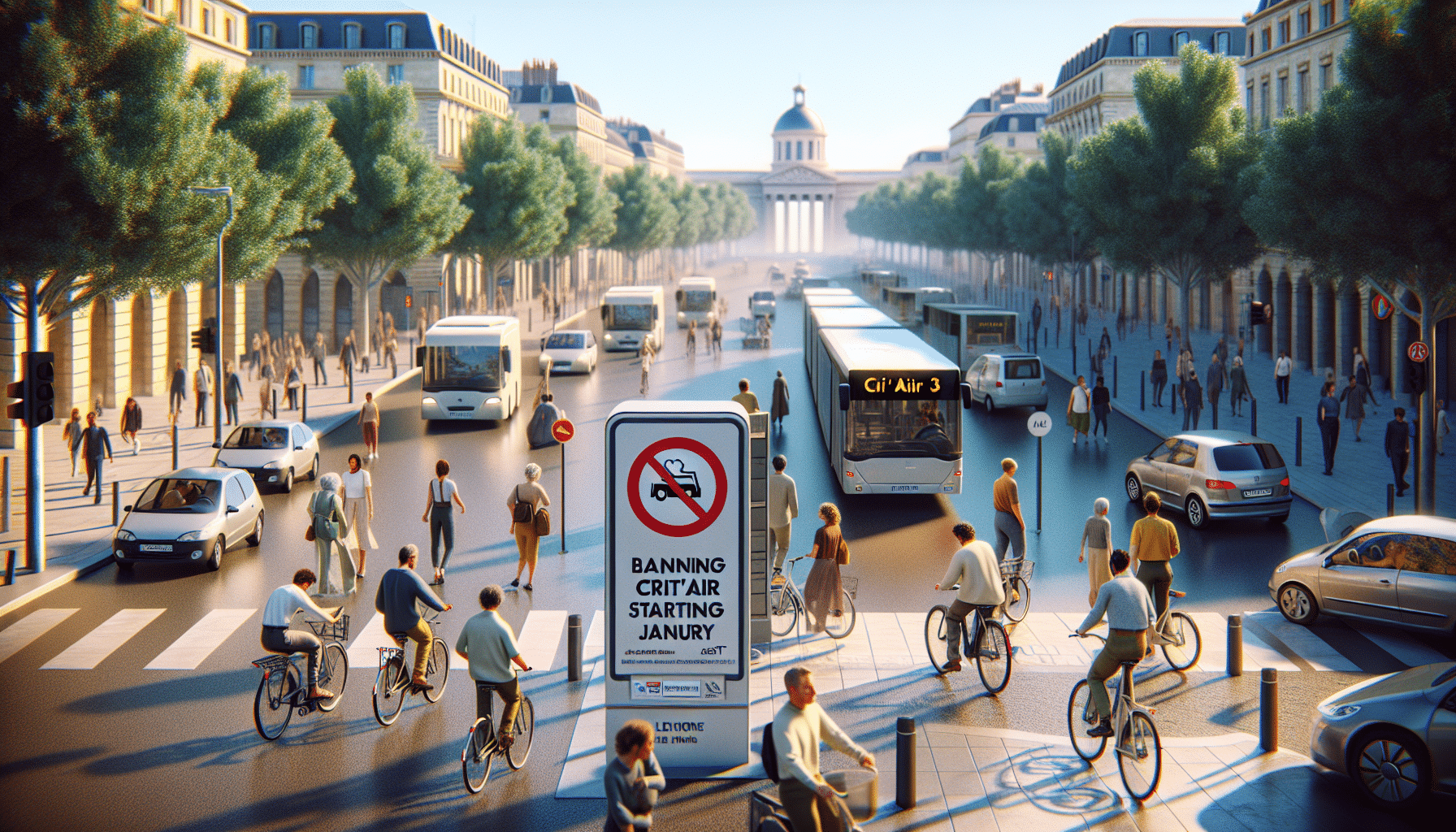
Montpellier and its Low Emission Zones: The ban on Crit’air 3 vehicles begins on January 1, but without a control system
In Montpellier, a crucial step has been taken with the ban on classified vehicles Crit’air 3, implemented in Low Emission Zones (ZFE). From January 1, these vehicles will have access to several areas of the city closed. However, the absence so far of a systematic monitoring system leaves drivers perplexed as to the effective implementation of these regulations. Let’s examine how Montpellier is adapting to this new environmental standard and the challenges that arise.
Low Emission Zones: What does this mean for Montpellier?
Since July 1, 2022, the metropolis of Montpellier adopted the concept of Low Emission Zones, an initiative resulting from the Mobility Orientation Law of 2019. It aims to reduce greenhouse gas emissions and improve air quality through strict regulation of the circulation of the most polluting vehicles. Montpellier thus joins large French cities in this crucial ecological mission.
Ban on Crit’air 3 vehicles: A decisive step
From January 1, regulations tighten for vehicles Crit’air 3 in the affected areas of Montpellier. Diesel vehicles registered before 2011 as well as gasoline vehicles dating from before 2006 are among the categories now prohibited. This measure aims to reduce the negative impact on the environment and responds to the commitments made by the city to combat air pollution.
Exemptions to adjust
Despite the ban, exemptions exist to allow motorists to gradually adapt to the new restrictions. These exemptions offer limited circulation windows for certain owners of Crit’air 3 vehicles, thus underlining Montpellier’s concern to support the ecological transition rather than brutally imposing it.
No immediate control system
The absence of a concrete control system capable of effectively verifying compliance with the new regulations constitutes a gray area in the implementation of this policy. The Montpellier authorities are aware of this challenge and are working to develop monitoring methods to ensure that low-emission zones fully assume their role.
Future challenges for Montpellier
While the ban on Crit’air 3 marks a step forward, the efforts of cities like Montpellier must continue to gradually integrate control technologies while raising awareness among residents. Future regulations, particularly those of 2025, will extend these restrictions to larger areas and will require increased vigilance on the part of local authorities.