Conflict in Montpellier: Environmentalists vs. Socialist Mayor Over Infrastructure Projects
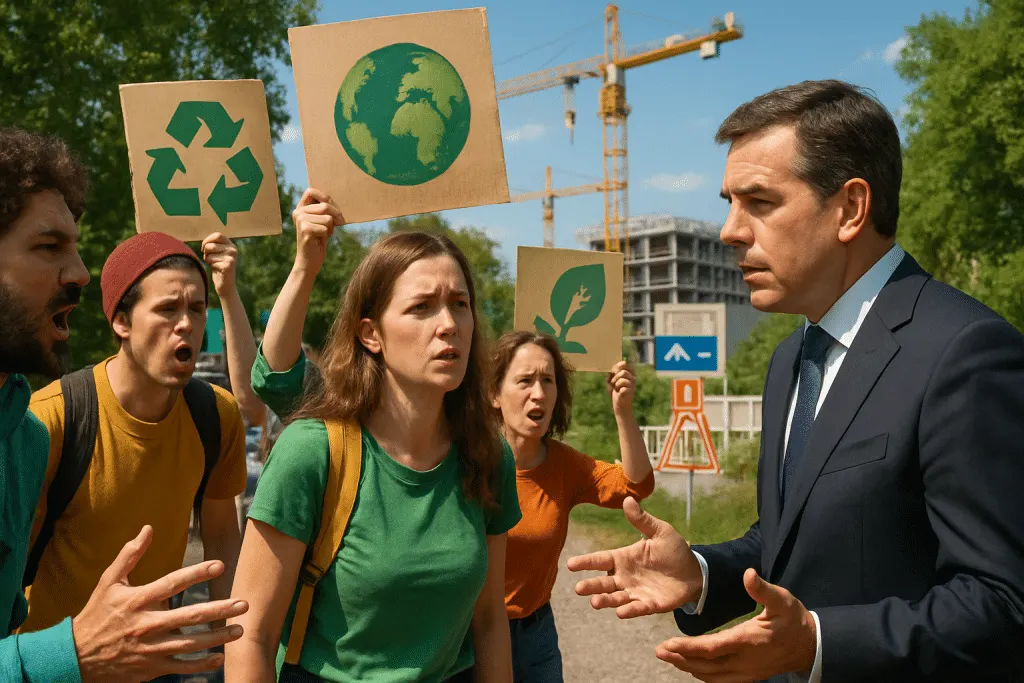
In Montpellier, a major conflict erupted between the Greens and Socialist Mayor Michael Delafosse over infrastructure projects that have sparked dissent within their former political alliances. This dispute arose following controversial projects, including a CSR incinerator, which were proposed by the municipal majority and met with fierce opposition. These developments highlighted political divisions that threaten to reshape electoral alliances for the 2026 municipal elections. The Breakdown of a Political Alliance Socialist Mayor Michael Delafosse, once an ally of the Greens during the 2020 municipal elections, saw his coalition collapse over the proposal of projects deemed crucial. Among these initiatives, the installation of a CSR incinerator for waste treatment has particularly polarized points of view. For the Greens, this incinerator represents a potential « health bomb. » This proposal precipitated a political divide and prompted environmentalists to side with the « Après 34 » (After 34), a new partner in their fight for the upcoming municipal elections. Demonstrations in front of the town hall On Wednesday morning, July 16, several left-wing movements, including the environmental group, demonstrated in front of Montpellier town hall. A green MP from Hérault, Jean-Louis Roumégas, was present to express his disapproval of Michaël Delafosse’s plans. This mobilization reflects growing opposition among residents and local political figures who believe that the decisions made by the socialist majority do not represent the city’s ecological interests. An early election campaign This context of disagreement has paved the way for an early election campaign, in which the Greens and their partners intend to win Montpellier’s mayoralty in the 2026 elections. This split is central to their rhetoric, which they hope will mobilize voters sensitive to environmental issues. Their concerns center on the way the city of Montpellier manages its infrastructure and the ecological implications of these controversial projects. Links with Other Political Movements The Greens, having seceded from the Socialist coalition, aim to join forces with other movements critical of the outgoing mayor. This strategy could include alliances with usually distant forces, such as a fringe of the right-wing camp in Montpellier. This dynamic is illustrated by observers who wonder whether the right-wing camp could reap benefits from this internal conflict within the left (read more here). Divergent Perceptions of Ecology **The opposition between environmentalists and the Socialist mayor also raises questions about the city’s perception of ecology. Some criticism has targeted an approach deemed too « elitist » by some in the management of low-emission zones (LEZs) and other municipal projects (see here for more details).**Open Conclusion
Related reading : Montpellier 2026: Nine green and left-wing parties urge Michaël Delafosse to run for mayor
If this situation continues, it is likely to redefine Montpellier’s political landscape. Tensions over urban development and environmental commitment remain hot topics, which will undoubtedly determine the electoral choices of Montpellier’s citizens in the future.
/a-montpellier-le-camp-de-la-droite-fera-t-il-sa-recolte-dans-la-lutte-des-gauches/
Read next
 News from the Montpellier region
Production vidéo à Montpellier : pourquoi les entreprises locales s’y mettent toutes
Montpellier est l’une des métropoles françaises les plus dynamiques en matière de création d’entreprises. Start-up de la
 News from the Montpellier region
Moving to Montpellier: how to manage your housing transition
Every year, thousands of newcomers settle in Montpellier. International students, young professionals, families seeking
 News from the Montpellier region
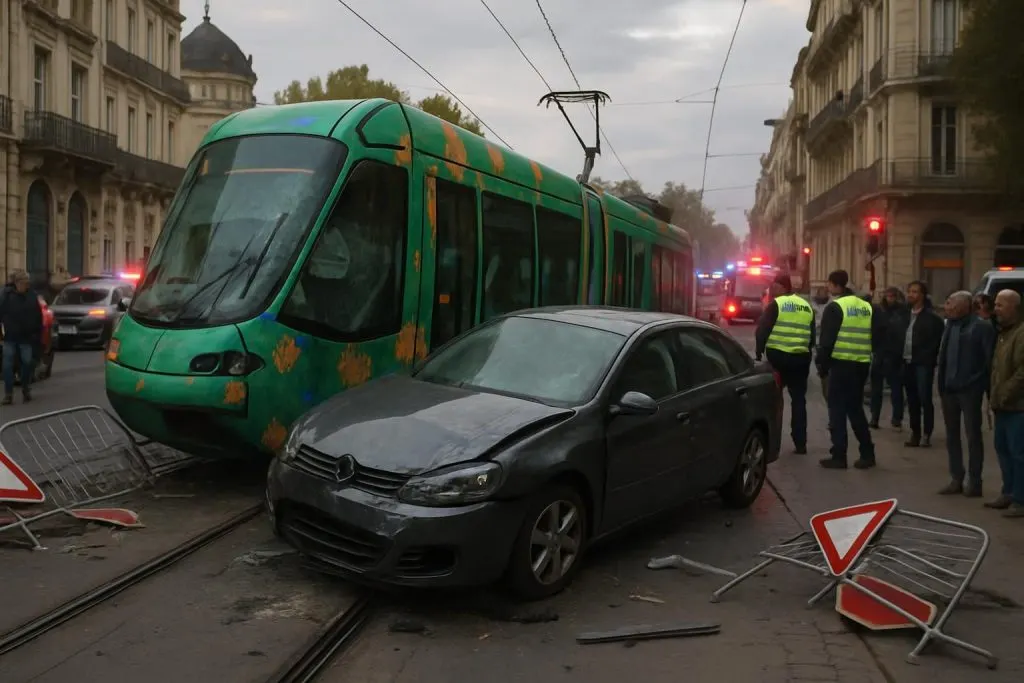
Montpellier: Collision between a car and a tram causes a derailment; the driver of the vehicle flees the scene; traffic is severely disrupted.
Montpellier: Car-Tram Collision, Derailment, and Traffic Disruptions An unusual incident occurred this Friday, January 6