Demographic growth in Montpellier: a metropolis towards 500,000 inhabitants with 307,101 residents
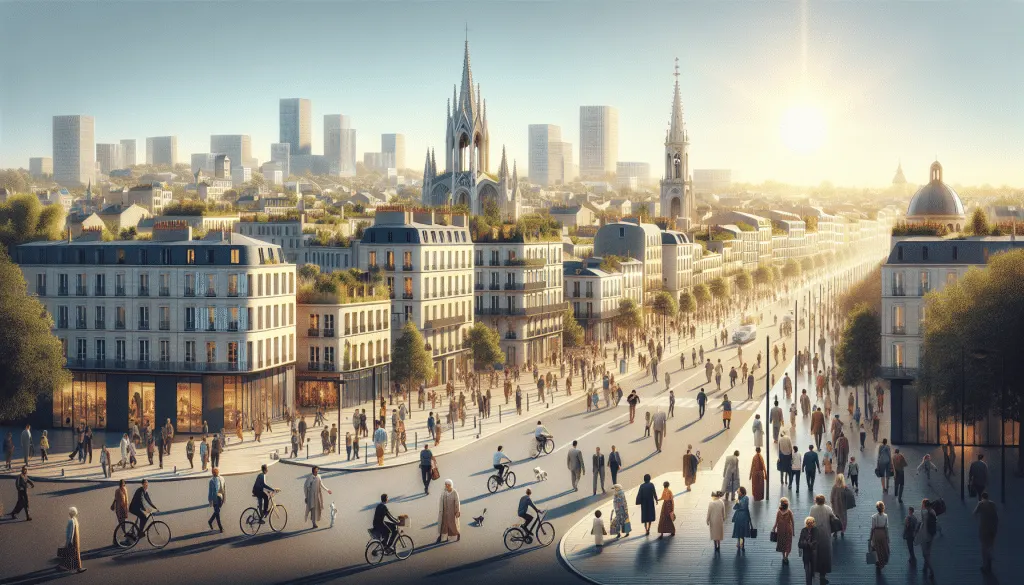
Montpellier is today positioned as one of the most dynamic cities in France in terms of population growth. With currently 307,101 inhabitants, this metropolis is not only a leading urban center but it also stands out nationally for its ability to attract new residents and grow sustainably. By 2040, the city and its surroundings could accommodate between 569,000 and 585,000 inhabitants. However, this rapid expansion also poses significant logistical and social challenges. Population growth: a sign of dynamism Montpellier stands out for its impressive demographic growth. With a current population of 307,101, the city continues to grow at a rate of 1.45% per year, far surpassing the national average of just 0.3%. This constant growth contributes to strengthening its seventh place on the national scale of the largest cities in France. The Montpellier metropolis, comprising 31 municipalities, is today close to the threshold of 500,000 residents with a dynamic which is not expected to weaken until 2040. Montpellier has become an essential reference, attracting new inhabitants thanks to its economic opportunities, its pleasant living environment and the youth of its population. Factors contributing to population growth The attractiveness of Montpellier can be attributed to several key factors. The natural balance, notably the increase in young populations, is one of the main drivers of this growth. In addition, the city benefits from an enviable living environment and numerous economic and urban development projects which are attracting more and more residents. Saint-Jean-de-Védas is at the top of the ranking of municipalities with the strongest demographic growth. Families see it as an opportunity to settle into an environment conducive to well-being while benefiting from the infrastructure of a big city. Find out why everyone wants to rent an apartment in downtown Montpellier! The challenges of this rapid expansion Despite its advantages, this rapid growth does not come without significant challenges. By 2040, the population of Montpellier Méditerranée Métropole could reach between 570,000 and 590,000 inhabitants, making it necessary to adjust infrastructure and public services to manage this influx of residents. The surprise closure of the A709 is an example of the changes to which Montpellier must adapt. This situation highlights the need for innovative and sustainable solutions to maintain the quality of life that attracts so many new residents. Why is the surprise closure of the A709 a sign of a big change in Montpellier? Outlook for the future Demographic prospects indicate that Montpellier will continue to be an attractive center for decades to come. However, to meet the expectations of its residents and maintain a balance between economic expansion and social well-being, the city will need to invest in progressive and sustainable solutions. To learn more about the challenges facing Montpellier, consult Montpellier: a metropolis facing new challenges.
Related reading : Montpellier: a metropolis facing new challenges
Read next
 News from the Montpellier region
Production vidéo à Montpellier : pourquoi les entreprises locales s’y mettent toutes
Montpellier est l’une des métropoles françaises les plus dynamiques en matière de création d’entreprises. Start-up de la
 News from the Montpellier region
Moving to Montpellier: how to manage your housing transition
Every year, thousands of newcomers settle in Montpellier. International students, young professionals, families seeking
 News from the Montpellier region
Montpellier: Collision between a car and a tram causes a derailment; the driver of the vehicle flees the scene; traffic is severely disrupted.
Montpellier: Car-Tram Collision, Derailment, and Traffic Disruptions An unusual incident occurred this Friday, January 6