Millésime Bio trade fair in Montpellier: How organic wine is gaining popularity in Occitanie thanks to its structure, resilience, and appeal to young people
Contents4
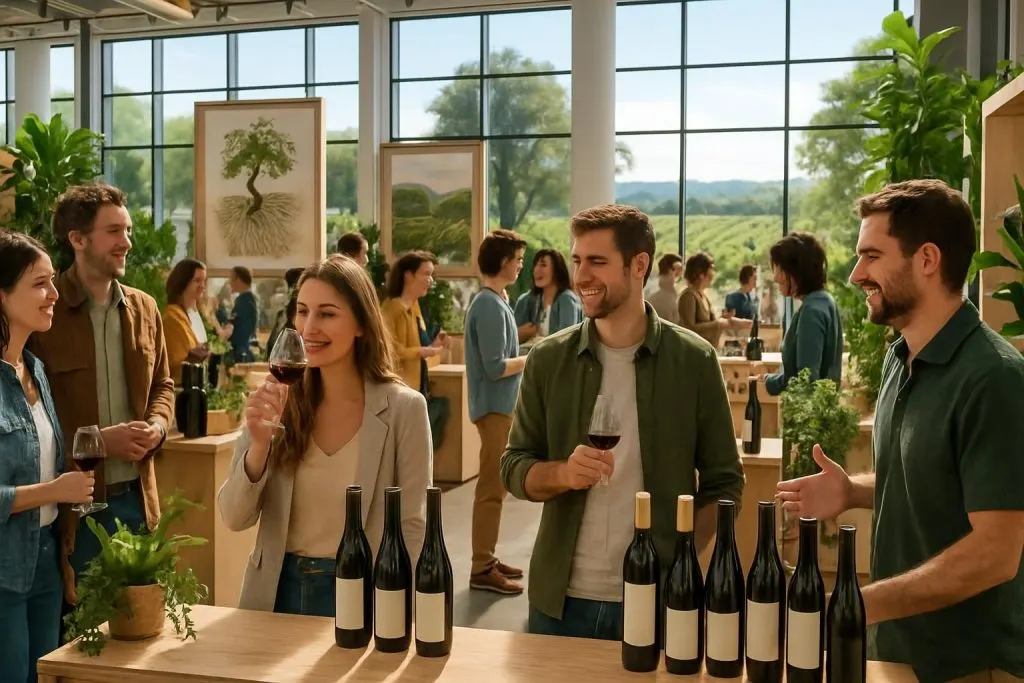
The Millésime Bio trade fair, held in Montpellier, highlights the impressive rise of organic wine in Occitanie. Benefiting from successful structuring, resilience in the face of climate and economic challenges, and strong appeal among younger generations, this sector is experiencing significant growth. Rooted in innovation and respect for the environment, organic wine is establishing itself as a solid pillar of regional agriculture and attracting thousands of professionals from around the world.
Structuring a Sector of Excellence The Millésime Bio trade fair, now in its 33rd edition, boasts the title of the world’s largest organic wine fair. This annual event showcases the powerful image of a leading sector that has seen its production double in six years. This momentum is not accidental but the result of several key factors. First, the strong support of theOccitanie Region **, which has invested over €10 million annually since 2016 to support winegrowers. These efforts, combined with targeted investments such as the €5 million sector contract spread over three years, demonstrate a solid commitment to the structuring and sustainability of this sector.**Resilience in the Face of Climate and Economic Challenges
In a context of increasing drought and problems linked to climate change, organic wine is revealing its
resilience . According to Jeanne Fabre, president of the trade fair and a winegrower in the Aude region, this resilience is based on the close ties and in-depth knowledge of the winegrowers regarding their plots. Her testimony highlights the contribution of agroforestry and practices tailored to each farm as viable solutions. The region benefits from its unique climate, which offers favorable conditions fororganic production and reduces the impact of diseases on the plants. Growing Appeal Among Young Consumers Organic wine is gradually becoming a staple in the habits of younger generations, who are spontaneously drawn to environmentally friendly products. In Occitanie, organic farming now represents 30% of farms and nearly 25% of cultivated land. This shift reflects a genuine underlying trend affecting the younger generation, who are more sensitive to the environmental impact of their consumption. The trade fair naturally becomes a platform for
meetings
and the transmission of these values between producers and young consumers. Export Challenges and Distribution Opportunities
While nearly 40% of sales are destined for export, the organic sector also aims to conquer new markets in supermarkets, where currently only 8% of its production is sold. This opportunity represents significant room for growth and development potential to be exploited. With its 1,500 producers gathered in Montpellier, the Millésime Bio trade fair acts as a key lever for opening doors to new collaborations and international trade.
A First Step Towards Sustainable Agriculture
The commitment to sustainable agriculture doesn’t stop at the vineyard. The trade fair also prioritizes environmentally friendly practices in its organization, for example, by favoring the use of stands made from recycled wood. This focus on sustainable development demonstrates that the sector is well ahead of other agricultural sectors. In Occitanie, this choice is supported by pioneering initiatives that positively influence the environment and the quality of the final products. Montpellier continues to position itself as a leading city in the field of sustainability with parallel initiatives such as sterilizing pigeons instead of capturing them. Discover the The city’s surprising strategy
and why the Palmarosa Festival is not to be missed this year. Also enjoy Montpellier’s enchanting terraces this summer. /decouvrez-5-terrasses-enchanteuses-pour-profiter-de-lete-a-montpellier/
Read next
 News from the Montpellier region
Production vidéo à Montpellier : pourquoi les entreprises locales s’y mettent toutes
Montpellier est l’une des métropoles françaises les plus dynamiques en matière de création d’entreprises. Start-up de la
 News from the Montpellier region
Moving to Montpellier: how to manage your housing transition
Every year, thousands of newcomers settle in Montpellier. International students, young professionals, families seeking
 News from the Montpellier region
Montpellier: Collision between a car and a tram causes a derailment; the driver of the vehicle flees the scene; traffic is severely disrupted.
Montpellier: Car-Tram Collision, Derailment, and Traffic Disruptions An unusual incident occurred this Friday, January 6