Montpellier: Has free public transport reduced the use of cars or bicycles?
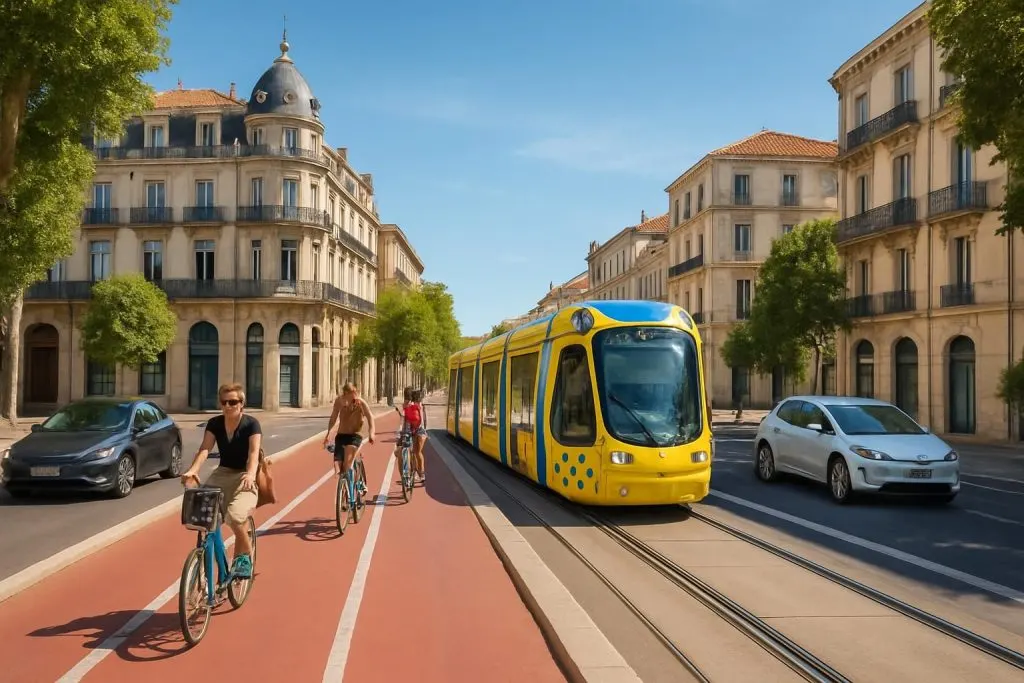
The implementation of free public transport in Montpellier has sparked varied and opposing reactions. While some praise the initiative for its ecological and economic benefits, others are concerned about its impact on walking and cycling, as well as on car traffic. This article explores the different aspects of this measure, its perceived consequences in the metropolitan area, and the controversy surrounding it. Furthermore, it examines how this public policy, despite widespread support, leaves no one indifferent, particularly the Court of Auditors. A Mixed Popular Success
In Montpellier, the flagship measure of Socialist Mayor Michaël Delafosse—offering free public transport—has delighted residents of the metropolitan area. Since its implementation, users have expressed their satisfaction with the ability to travel without cost, highlighting both the financial and environmental advantages. Agathe, a cultural mediator, welcomes this initiative, which eases the burden on her family budget. However, some complain about network congestion, particularly during peak hours. The tension between a 20% increase in public transport journeys and their accessibility during critical times remains a major challenge for the city.
Walking and cycling on the decline: reality or illusion? The Court of Auditors has published a critical report highlighting that free public transport has not only attracted motorists, but also walkers and cyclists, which it considers worrying. According to this report, 39% of new public transport users were previously pedestrians or cyclists. Frédéric Héran, a transport economist, supports this thesis based on observations in other European cities that have opted for free public transport. However, Mobily Métrix This analysis is contradicted, with some stating that the share of car use has fallen significantly in favor of walking and cycling, proving a positive impact in certain areas. You can read a complete overview of free public transport in Montpellier and the shared assessment here
Fewer cars, but at what cost? Mayor Michaël Delafosse insists that the reduction in car use cannot be attributed solely to free public transport. Indeed, this measure is part of a broader strategy that includes the development of cycling infrastructure and the reduction of car traffic in the city center. The resulting achievements include, for example, a decrease in the number of people exposed to alarming levels of pollution. Despite this, concerns remain about future costs, with an expected increase in subsidies (from €75 to €460 per inhabitant). For an overview of the current issues, visithere
Towards an Uncertain Future While the economic and social benefits of free public transport in Montpellier are widely praised, some economists, such as Frédéric Héran, envision a future where this policy might be reconsidered. Indeed, examples of cities that have abandoned free public transport after several years raise questions about the sustainability of this model. The mayor of Montpellier affirms that he does not want to reverse course, aware of the crucial political aspect of this measure. However, with municipal elections on the horizon, there is room for debate and speculation regarding the future of this controversial policy. Discover the issues surrounding this measure through images and the political climate here
.
Read next
 News from the Montpellier region
Production vidéo à Montpellier : pourquoi les entreprises locales s’y mettent toutes
Montpellier est l’une des métropoles françaises les plus dynamiques en matière de création d’entreprises. Start-up de la
 News from the Montpellier region
Moving to Montpellier: how to manage your housing transition
Every year, thousands of newcomers settle in Montpellier. International students, young professionals, families seeking
 News from the Montpellier region
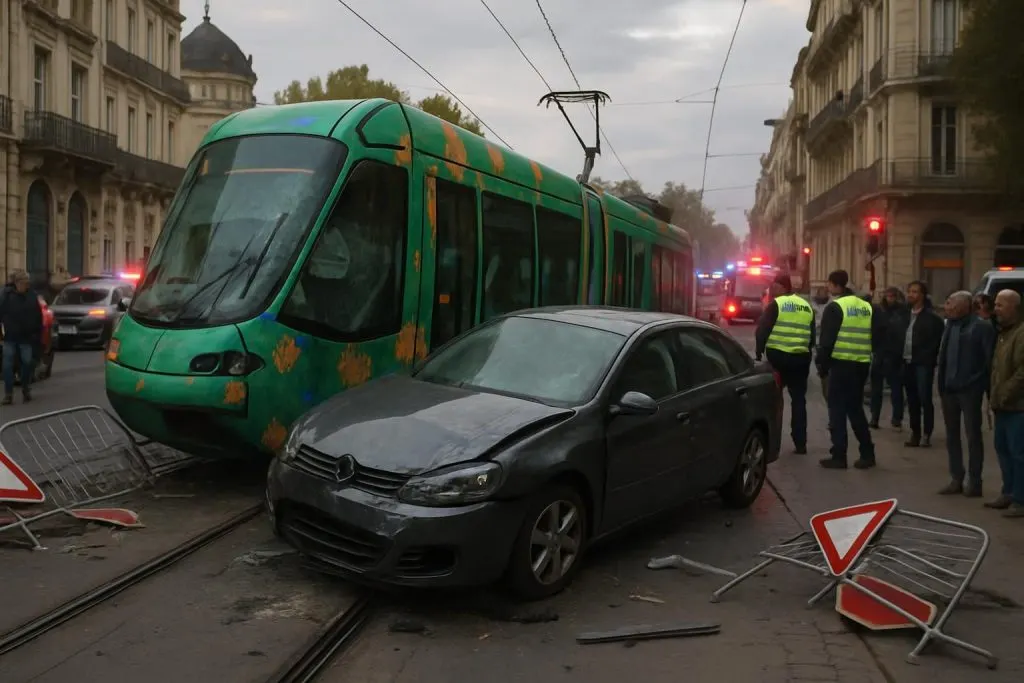
Montpellier: Collision between a car and a tram causes a derailment; the driver of the vehicle flees the scene; traffic is severely disrupted.
Montpellier: Car-Tram Collision, Derailment, and Traffic Disruptions An unusual incident occurred this Friday, January 6