Nighttime shadows in Montpellier: the debate on public lighting and the role of residents
Contents4
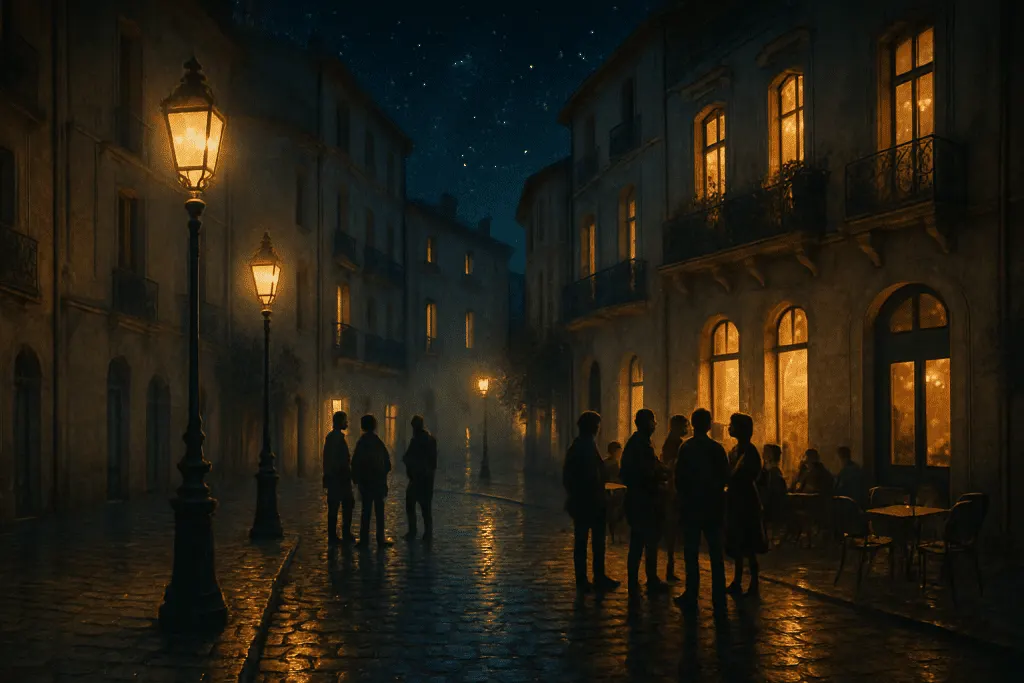
Since 2023, the Montpellier Metropolitan Area has implemented the Lighting Plan to combat light pollution and save energy. This initiative has plunged some streets into total darkness between 11 p.m. and 5 a.m., generating a heated debate among residents between energy savings and feelings of insecurity. This article examines the various aspects of this debate, the testimonies of local residents, and the rules regarding the lighting of commercial window displays. Combating Light Pollution The main goal of the plan implemented by the Metropolitan Area is to reduce light pollution by turning off certain roads and reducing light intensity on residential streets. According to Bruno Paternot, Metropolitan Councilor, « we light where and when it’s needed, » a statement that is not unanimously supported by residents. While this initiative aims to preserve biodiversity and combat energy waste, it also arouses incomprehension among many residents, who are faced with the fait accompli of walking in the dark. Residents’ Feelings of InsecurityTestimonies from Residents
Related reading : Montpellier: A petition launched to restore night lighting in certain neighborhoods
For people like Gérard, a 69-year-old retiree, the implementation of this project has had painful consequences. « My return home was marked by a fall and injuries, due to a street plunged into total darkness, » he says. Another poignant testimony comes from Marion, who expresses her growing fear every evening. « The less light there is, the more afraid I am, » she explains. These stories illustrate the growing feeling of insecurity among residents who must arm themselves with their phones to light their way when traveling at night.
Municipal Studies and Observations The Montpellier municipality, however, relies on a study conducted by the Local Observatory of Public Tranquillity in 2022, which suggests that insufficient lighting is not a major factor in insecurity, according to those surveyed. Residents are more concerned about incivility and the deterioration of the living environment. However, this study does not alleviate the concerns of many Montpellier residents like Gérard and Marion, who continue to call for a return to partial lighting. Legal Aspects of Nighttime Lighting
At the same time, regulations regarding the lighting of
shop windows
are also strict. To reduce light pollution, illuminated signs must be turned off at specific times, as they are governed by the Environmental Code. Window displays must turn off at 1 a.m. or one hour after the end of business, and can be turned back on at 7 a.m. Severe penalties, ranging from fines to penalty payments, await merchants who fail to comply with these rules.
For more information on citizen initiatives and ongoing debates, discover the petition launched
to restore nighttime lighting in certain neighborhoods of Montpellier.
/montpellier-une-petition-lancee-pour-retablir-leclairage-nocturne-dans-certains-quartiers/
Read next
 News from the Montpellier region
Production vidéo à Montpellier : pourquoi les entreprises locales s’y mettent toutes
Montpellier est l’une des métropoles françaises les plus dynamiques en matière de création d’entreprises. Start-up de la
 News from the Montpellier region
Moving to Montpellier: how to manage your housing transition
Every year, thousands of newcomers settle in Montpellier. International students, young professionals, families seeking
 News from the Montpellier region
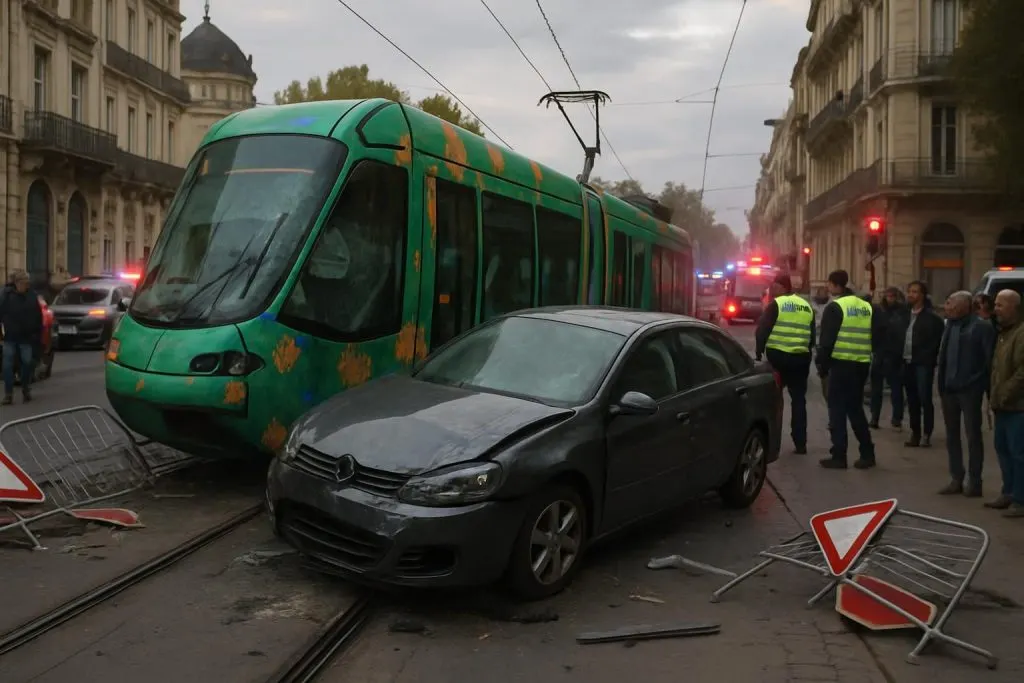
Montpellier: Collision between a car and a tram causes a derailment; the driver of the vehicle flees the scene; traffic is severely disrupted.
Montpellier: Car-Tram Collision, Derailment, and Traffic Disruptions An unusual incident occurred this Friday, January 6