September 10th Mobilization: Tropisme in Montpellier Remains Inaccessible

The September 10th mobilization in Hérault promises to be a decisive turning point for social movements. However, access to Tropisme in Montpellier remains a complex challenge. This article explores the issues, reasons, and consequences of this unprecedented situation. September 10th Mobilization: A Context of Growing Tensions The call for September 10th mobilization in Hérault stems from a desire to bring together diverse social forces in the face of persistent socio-economic challenges. With the impact of the economic crisis and the specter of an uncertain future, this day promises to be a crucial moment to express discontent and demands. The organization of this mobilization is receiving particular attention, particularly in Montpellier, where local authorities and organizers are working to coordinate initiatives. Tropisme in Montpellier: Limited Access Despite the scale of this announced mobilization, Tropisme in Montpellier remains inaccessible, a situation that raises questions about the logistics implemented to accommodate the protesters. Several factors contribute to complex access, highlighting the challenges facing the organization of this event. These logistical difficulties are exacerbated by efforts to stifle the exploration and use of public spaces for demonstrations of this magnitude. Consequences for the protesters The restricted access to Tropisme poses serious inconveniences for the protesters, who must find alternatives to regroup and be heard. It also impacts the morale and motivation of many participants who had planned to come together for a common cause. The actions planned as part of this mobilization challenge participants to overcome these obstacles to maintain the movement’s momentum. Implications for the Future of Mobilizations in Montpellier The inability to access Tropisme is not simply a logistical constraint. It raises questions about the management of public spaces and protest rights in a city like Montpellier. This could well influence the future strategies of social movements and their relationship with local authorities. As mobilization intensifies, organizers will likely seek creative solutions to ensure mass participation and ensure future successful demonstrations. /mobilisation-contre-la-precarite-un-ultime-affrontement-contre-la-zfe-ce-dimanche-6-avril-a-montpellier-et-a-travers-la-france/
Read next
 News from the Montpellier region
Production vidéo à Montpellier : pourquoi les entreprises locales s’y mettent toutes
Montpellier est l’une des métropoles françaises les plus dynamiques en matière de création d’entreprises. Start-up de la
 News from the Montpellier region
Moving to Montpellier: how to manage your housing transition
Every year, thousands of newcomers settle in Montpellier. International students, young professionals, families seeking
 News from the Montpellier region
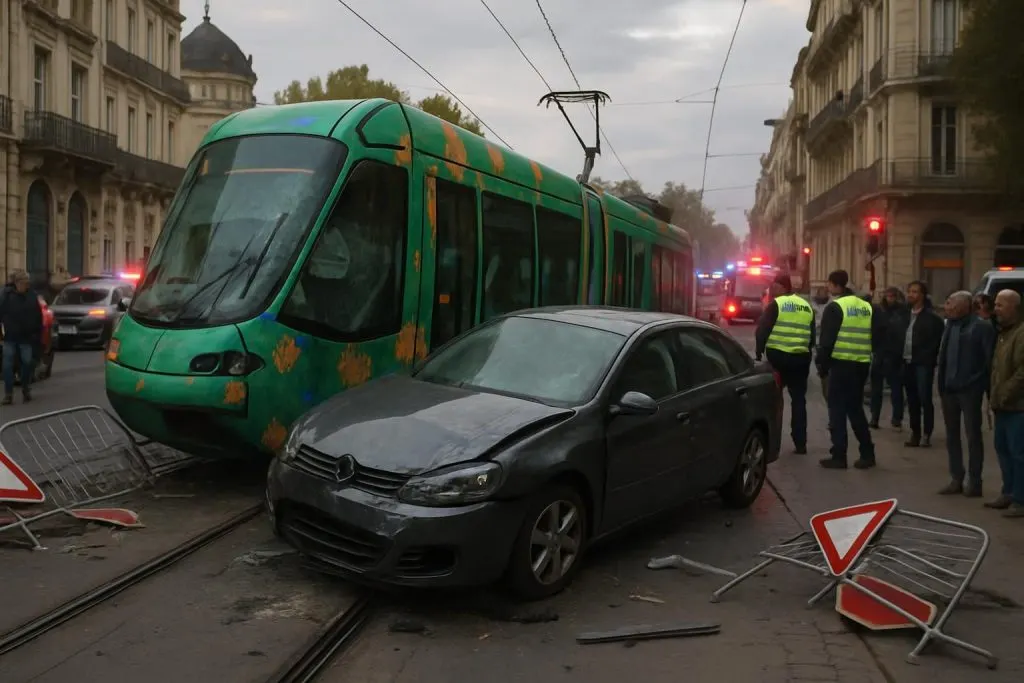
Montpellier: Collision between a car and a tram causes a derailment; the driver of the vehicle flees the scene; traffic is severely disrupted.
Montpellier: Car-Tram Collision, Derailment, and Traffic Disruptions An unusual incident occurred this Friday, January 6