The impact of pseudomedicine at Montpellier University Hospital: between alternative practices and conventional medicine
Contents4
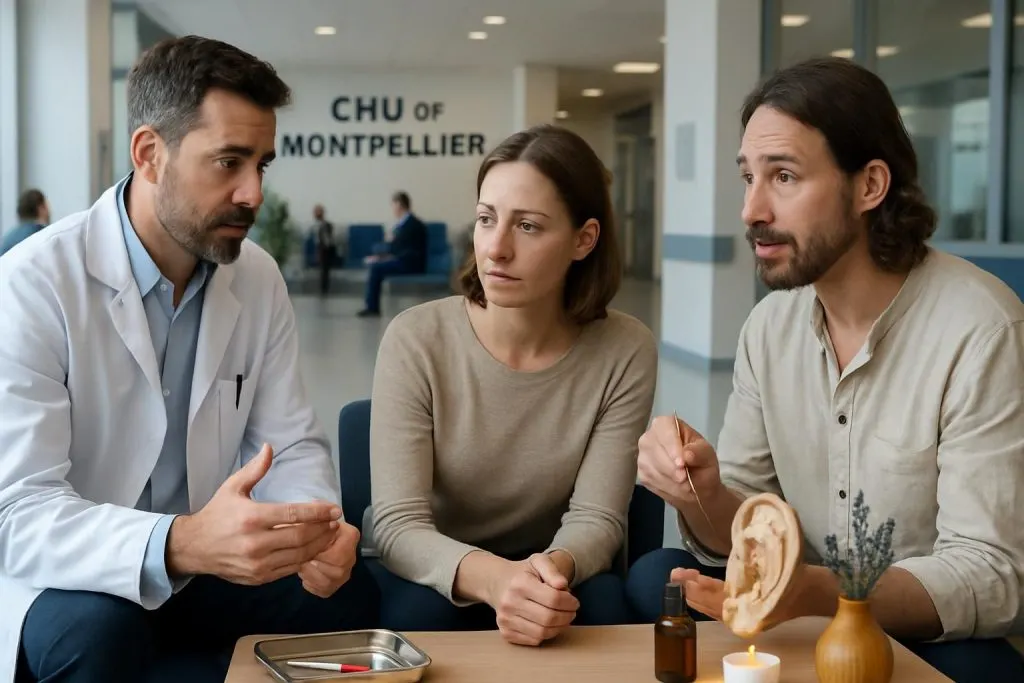
In a hospital committed to providing quality care, the intrusion of pseudomedicine sparks debate and controversy. Scientifically unvalidated practices, brought to light at the Montpellier University Hospital (CHU) by a viral video, reveal tensions between conventional medicine and unorthodox practices. This worrying trend calls into question adherence to the medical code of ethics and results in disciplinary measures that appear insufficient to ensure medicine based on solid scientific principles. The shocking revelations at the heart of the pain management center
Related reading : Pain management center at Montpellier University Hospital: a viral YouTube video causes…
On November 20, 2025, a video investigation released on YouTube by YouTuber G Milgram sent shockwaves through the system by revealing the use of
pseudomedicine at the Montpellier University Hospital’s pain management center. Doctors Patrick Ginies and Olivier Abossolo were directly targeted for their controversial alternative approaches. An unbelievable situation for an institution supposed to offer evidence-based care.
The Controversial Practices of Dr. Abossolo
**Dr. Abossolo, who practiced at the pain clinic, resorts to unscientific methods such as using oyster shell powder to « reprogram genes. » Furthermore, he claims to use essential oils remotely, without even opening the bottles. According to him, illnesses could stem from the « karma » of past lives, a perspective rejected by modern conventional medicine.**The Astonishing Diagnoses of Dr. Ginies
Dr. Ginies, for his part, has distinguished himself by the correlation he establishes between physical pain and transgenerational or childhood emotional trauma. Notably, he bases his diagnoses on his patients’ clothing, a method at odds with recognized and scientifically validated medical standards. Reactions from Afis and the NoFakeMed Collective The French Association for Scientific Information (Afis) and the NoFakeMed collective strongly condemn these practices, which lack any scientific basis. They reiterate that the code of ethics requires physicians to follow established scientific data for their care and prescriptions. The dissemination of these methods within a public hospital setting without offering serious medical alternatives constitutes a worrying trend.
The Montpellier University Hospital’s Response and Measures Taken
Faced with this scandal, the University Hospital has taken certain measures, such as the temporary suspension of Dr. Ginies from his position. An audit of practices has been entrusted to an external expert, but the results remain largely unpublished. Although the Medical Council has opened a disciplinary investigation, Dr. Ginies’ return to his position underscores an insufficient response to the scale of the revelations.A Debate on the Use of Public Funds The consultations of the two practitioners in question were, and still are in part, reimbursed by social security. In a context where hospitals are facing severe budgetary constraints, Afis and NoFakeMed are highlighting the inefficient use of public resources. They emphasize the need to direct these funds towards genuinely validated medical practices. A potentially devastating impact on patient care
The use of these practices can have serious consequences, notably by delaying treatment for patients with potentially fatal illnesses. By promoting these unfounded methods, the Montpellier University Hospital could compromise the health of its patients, who deserve quality care based on solid evidence.
Read next
 News from the Montpellier region
Production vidéo à Montpellier : pourquoi les entreprises locales s’y mettent toutes
Montpellier est l’une des métropoles françaises les plus dynamiques en matière de création d’entreprises. Start-up de la
 News from the Montpellier region
Moving to Montpellier: how to manage your housing transition
Every year, thousands of newcomers settle in Montpellier. International students, young professionals, families seeking
 News from the Montpellier region
Montpellier: Collision between a car and a tram causes a derailment; the driver of the vehicle flees the scene; traffic is severely disrupted.
Montpellier: Car-Tram Collision, Derailment, and Traffic Disruptions An unusual incident occurred this Friday, January 6