Unveiling of the environmental impact of the Montpellier western bypass: what to remember

Contents4
Recently, the public commission issued an unreservedly positive opinion on the Montpellier Western Bypass project. This project, which aims to connect the A709 and A750 motorways while streamlining suburban traffic, has sparked debate and expectations regarding environmental issues. With recommendations aimed at minimizing nuisances and ensuring long-term impact monitoring, this project continues to fuel discussions between authorities, opponents, and the general public.
Conclusions of the Public Inquiry Commission
On Friday, October 3, a crucial document was released by the commission responsible for the public inquiry into the Montpellier Western Bypass (COM). After an in-depth analysis of the project’s environmental impact, this commission gave its approval, expressing a favorable opinion. The main objective of the project is not only to connect the A709 and A750 motorways, but also to optimize traffic flow around Montpellier. This opinion, well received by the Prefect of Hérault, François-Xavier Lauch, nevertheless raised questions regarding the actual impact on the environment. A positive opinion without reservations, but with recommendations In the report, the commission confirmed that the project met environmental criteria, notably by managing flood risks and complying with standards regarding the preservation of water resources. Furthermore, the requests for tree felling were deemed justified. However, the commission issued four key recommendations: involving the
Regional Health Agency (ARS) and the
EPTB Lez**, strengthening tree protection, and, above all, conducting continuous monitoring of noise pollution, air quality, and traffic flow, even after the COM is operational.** Concerns among opponents**Despite the favorable opinion, critical voices persist. Céline Scornavacca, spokesperson for the Autre Com collective, expressed disappointment with the conclusions, highlighting the lack of independent and scientific studies. According to her, simply monitoring the long-term environmental impact could reveal significant consequences for the local community too late. This position reflects the existing divide between supporters of infrastructure progress and those who advocate a rigorous assessment of its ecological implications.**A project within a context of change
It is impossible to ignore that the
Montpellier Western Bypass
is part of a larger project aimed at modernizing the region’s infrastructure. At the same time, Montpellier is seeing other ambitious projects take shape, such as the
TGV link between Montpellier and Perpignan . These developments are accompanied by a desire to further commit the city to eco-responsible practices, visible through the promotion of eco-responsibility . The Future of the Project and ExpectationsAs the project moves forward, expectations remain high. Local stakeholders and citizens hope that the commission’s recommendations will not be just wishful thinking, but will translate into concrete actions and rigorous monitoring of environmental impacts. The balance between development and sustainability will remain at the heart of future discussions and decisions surrounding the Montpellier Western Bypass./adoptez-leco-responsabilite-decouvrez-le-tout-nouveau-portail-de-reutilisation-et-de-gestion-des-dechets-de-la-metropole-de-montpellier/
Read next
 News from the Montpellier region
Production vidéo à Montpellier : pourquoi les entreprises locales s’y mettent toutes
Montpellier est l’une des métropoles françaises les plus dynamiques en matière de création d’entreprises. Start-up de la
 News from the Montpellier region
Moving to Montpellier: how to manage your housing transition
Every year, thousands of newcomers settle in Montpellier. International students, young professionals, families seeking
 News from the Montpellier region
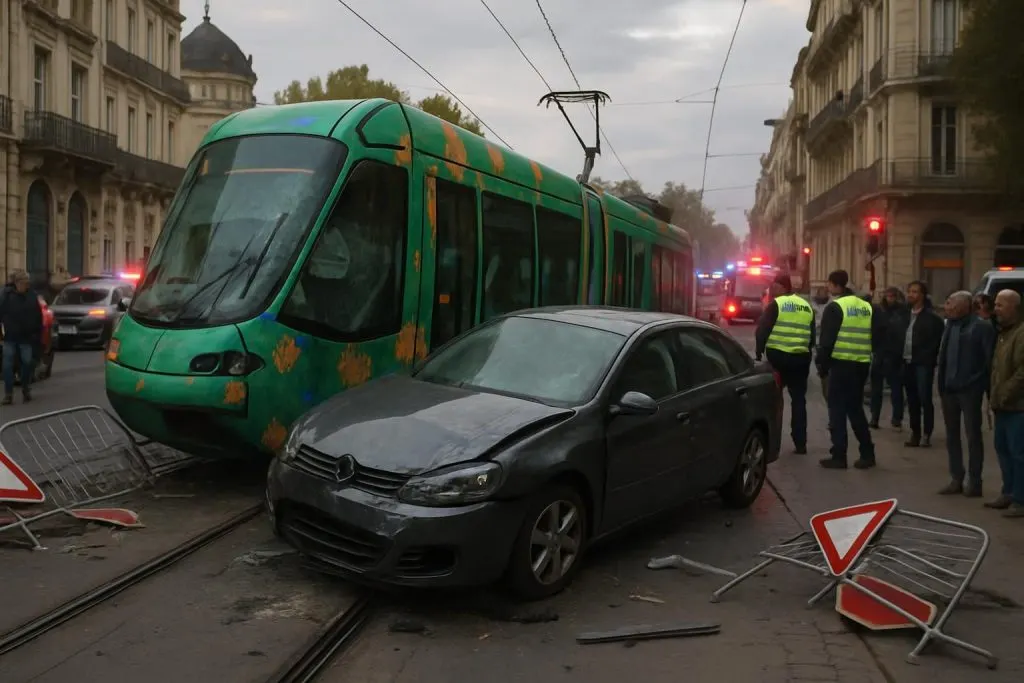
Montpellier: Collision between a car and a tram causes a derailment; the driver of the vehicle flees the scene; traffic is severely disrupted.
Montpellier: Car-Tram Collision, Derailment, and Traffic Disruptions An unusual incident occurred this Friday, January 6