Montpellier inaugurates a new collaborative and creative space

The city of Montpellier unveiled a new collaborative and creative space on December 18th: the Ambroise-Croizat Center
located in the Arceaux district. This space, designed to be both innovative and inclusive, aims to be a true catalyst for social connections. Transformed from a former building, the center offers 1,400 m² of spaces designed to foster creativity and solidarity. A bold transformationThe project originated from the transformation of a former building whose 1950s extensions, containing asbestos, required extensive intervention. To replace these outdated structures, a new building comprising a concrete post-and-slab structure and timber-frame walls was constructed. This architectural approach, carried out by Tautem Architecture, gave the center a new visual identity while promotingthermal
and acoustic insulation. Discover more about
similar initiatives in Montpellier
. The concrete vaults, which characterize the facades overlooking the 1,200 m² garden, add an aesthetic touch and ensure optimal thermal insulation, helping to create bright and welcoming spaces.
Respectful Restorations
For the stone sections of the building facing the street, meticulous restoration was required. This heritage preservation, harmonizing the past and present, is a tribute to Montpellier’s architectural history. Companies such as Darver, Célestin Charpentes, and Pistre played a vital role in carrying out the work, which took three years to complete. A Place for Sharing and Solidarity The Ambroise-Croizat Center is not just a physical space; it is also a social and community hub.Supported by the municipal social action center, the project, costing €3.6 million excluding VAT, reflects an investment in community life and social cohesion. It represents an extension of the initiative aimed at strengthening social ties within the city. To understand how these spaces can enrich daily life, explore social housing in Montpellier.
An example of collaborative architecture This project is not isolated. It emerges in a context where Montpellier is increasingly favoring decidedly collaborative solutions. These initiatives seek to introduce a new form of housing where sharing and cooperation are central, as demonstrated by the recently inaugurated collaborative building in the city. Thus, the Ambroise-Croizat center is not only a physical space, but also a hub for ideas and social innovation. /montpellier-un-immeuble-collaboratif-ou-le-partage-est-a-lhonneur/
Read next
 News from the Montpellier region
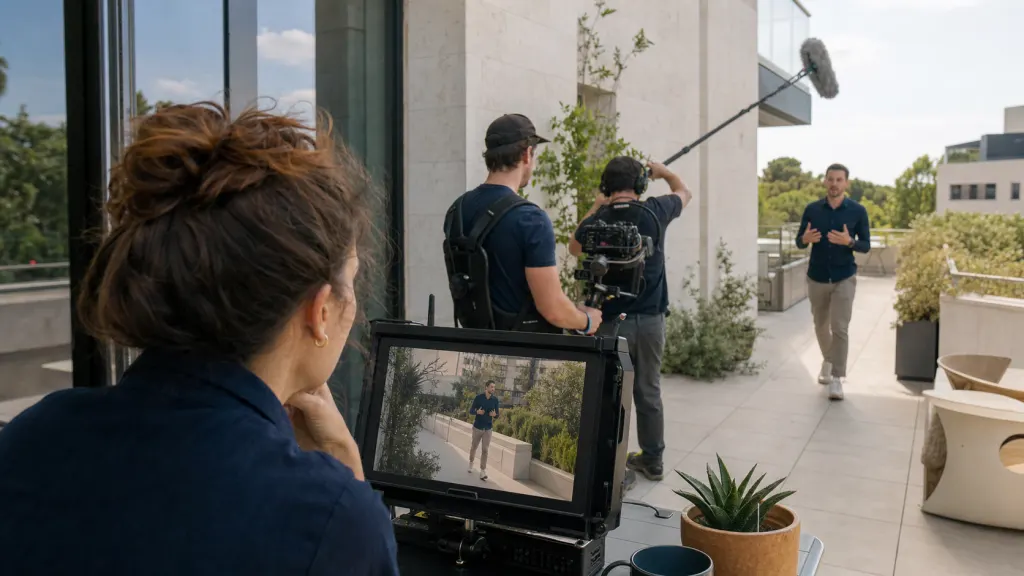
Production vidéo à Montpellier : pourquoi les entreprises locales s’y mettent toutes
Montpellier est l’une des métropoles françaises les plus dynamiques en matière de création d’entreprises. Start-up de la
 News from the Montpellier region
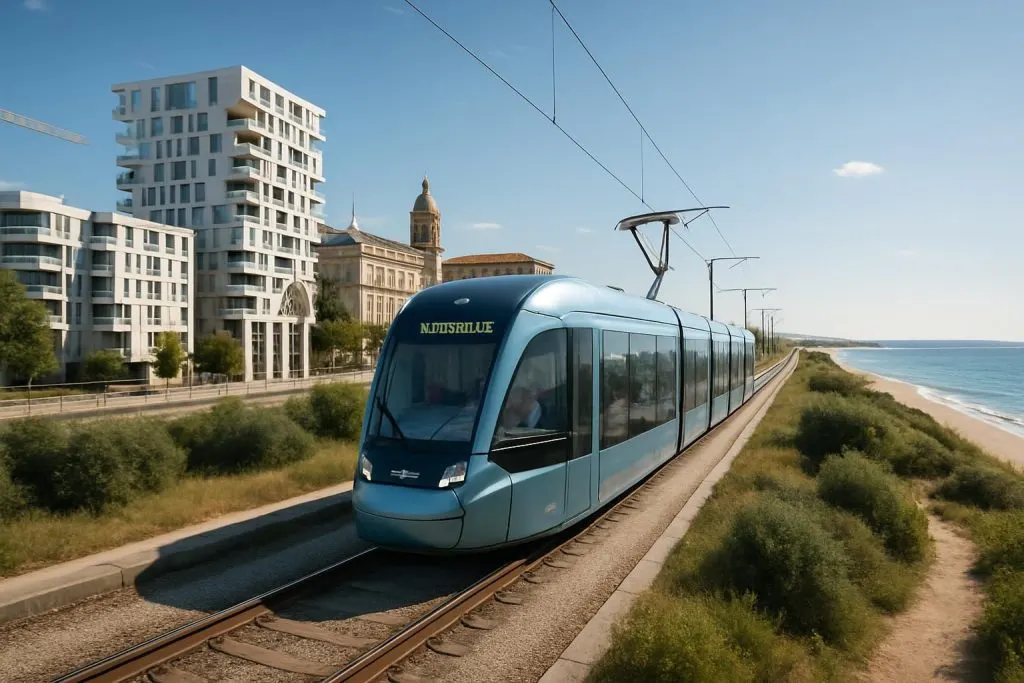
Moving to Montpellier: how to manage your housing transition
Every year, thousands of newcomers settle in Montpellier. International students, young professionals, families seeking
 News from the Montpellier region
Montpellier: Collision between a car and a tram causes a derailment; the driver of the vehicle flees the scene; traffic is severely disrupted.
Montpellier: Car-Tram Collision, Derailment, and Traffic Disruptions An unusual incident occurred this Friday, January 6