Montpellier: Will non-metropolitan residents have to pay the high price to use public transport?
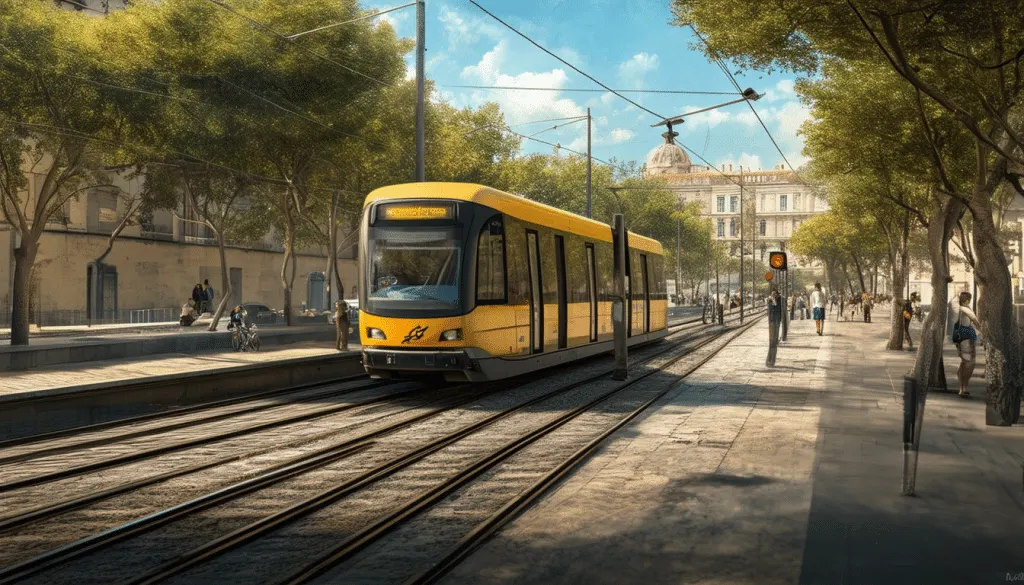
Contents6
In recent years, the Montpellier metropolis has strengthened its public transport network, thus offering an attractive alternative to the private car. However, this development raises questions among residents of surrounding communities. Indeed, these non-metropolitan residents fear having to bear high costs to access public transport in Montpellier. This question raises legitimate concerns about the accessibility and equity of these services for the entire population.
Related reading : Montpellier: will residents of neighboring towns pay a high price to travel?
From September 1, 2024, the Métropole de Montpellier will introduce an increase in the fares of its buses and trams for non-metropolitan residents. This decision, which came from the council of the Montpellier Metropolis, sparked numerous discussions, highlighting significant social and economic concerns.
Related reading : Montpellier: will residents outside the metropolis have to pay a fortune to travel to the…
A controversial decision
During the Montpellier Metropolis council, the announcement of this price increase immediately sparked debate. This measure is mainly motivated by the increase in operating costs due to the inflationary context and the energy shock. However, it also revealed tensions over the territorial divide within the region.
The new prices in detail
- Unit ticket: from €1.60 to €1.90, with an extended validity period of 1 hour to 1 hour 30 minutes.
- Book of 10 tickets: from 10€ to 15€.
- Parking + Tram package: maintaining the price at €5.20.
- New titles: 4-hour ticket (€3.5) and 7-day subscription (€20).
Social implications
This increase in prices is seen by many as an additional obstacle to access to urban services for people residing outside the Metropolis. Alenka Doulain, one of the strong voices of the opposition, expressed her frustration: “This decision increases the territorial divide and unfairly penalizes those who work or enjoy leisure activities in Montpellier.” She argues that many workers coming from outside already face significant transportation costs.
A call to rethink metropolisation
For opponents of this measure, like Alenka Doulain, the increase in transport fares is symptomatic of excessive metropolization which concentrates resources and infrastructure in large cities at the expense of peripheral territories. It calls for a more inclusive and integrated vision of mobility, where neighboring rural and urban territories are not disconnected.
The Metropolis’ response
Michaël Delafosse, president of the Métropole de Montpellier, defended the decision by insisting on the fact that the cost of transport in Montpellier remains among the cheapest in France. He stressed that significant efforts are being made to improve the transport offer, in particular with the construction of tram Line 5, the extension of Line 1 to the Sud de France station, and the development of cycle paths.
Challenges for the future
The implementation of this price increase calls into question the ability of Montpellier to maintain a balanced attractiveness between metropolitan and non-metropolitan residents. Ultimately, this decision could potentially reinforce the need for the Metropolis to collaborate more closely with neighboring territories to guarantee sustainable and equitable mobility for all.
In conclusion, the increase in transport fares for non-metropolitan residents in Montpellier reflects complex and multidimensional issues. It is essential that discussions continue to find a balance that will allow all residents, whether they live in the mainland or the outskirts, to access public transport services in a fair and equitable manner.
Read next
 News from the Montpellier region
Production vidéo à Montpellier : pourquoi les entreprises locales s’y mettent toutes
Montpellier est l’une des métropoles françaises les plus dynamiques en matière de création d’entreprises. Start-up de la
 News from the Montpellier region
Moving to Montpellier: how to manage your housing transition
Every year, thousands of newcomers settle in Montpellier. International students, young professionals, families seeking
 News from the Montpellier region
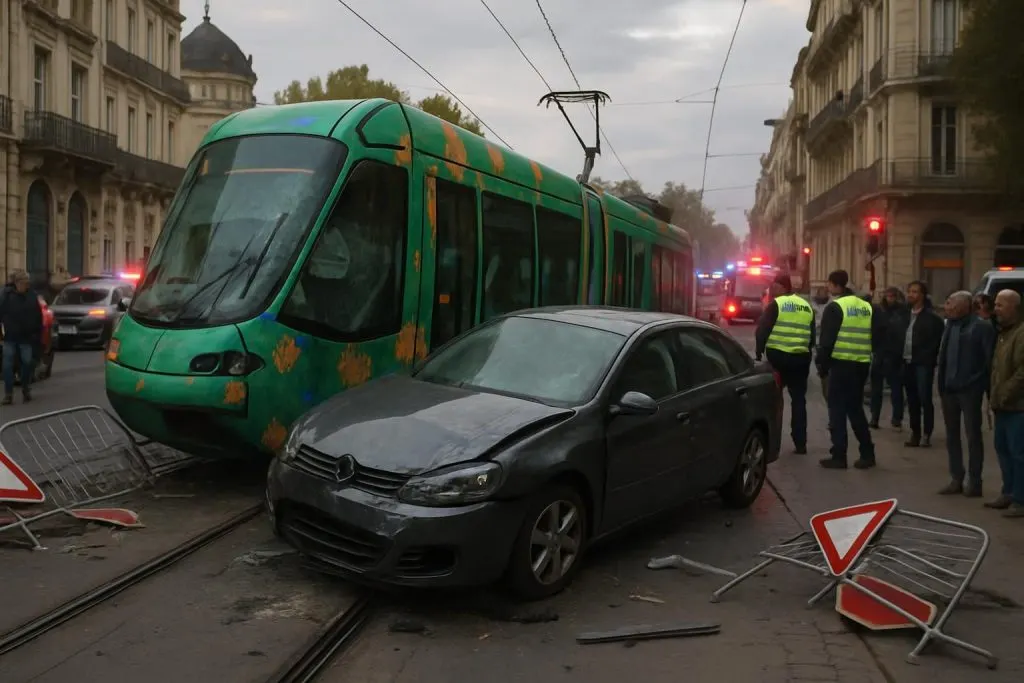
Montpellier: Collision between a car and a tram causes a derailment; the driver of the vehicle flees the scene; traffic is severely disrupted.
Montpellier: Car-Tram Collision, Derailment, and Traffic Disruptions An unusual incident occurred this Friday, January 6