François Déletraz, national president of the Fnaut, believes that free transport in Montpellier is inappropriate.
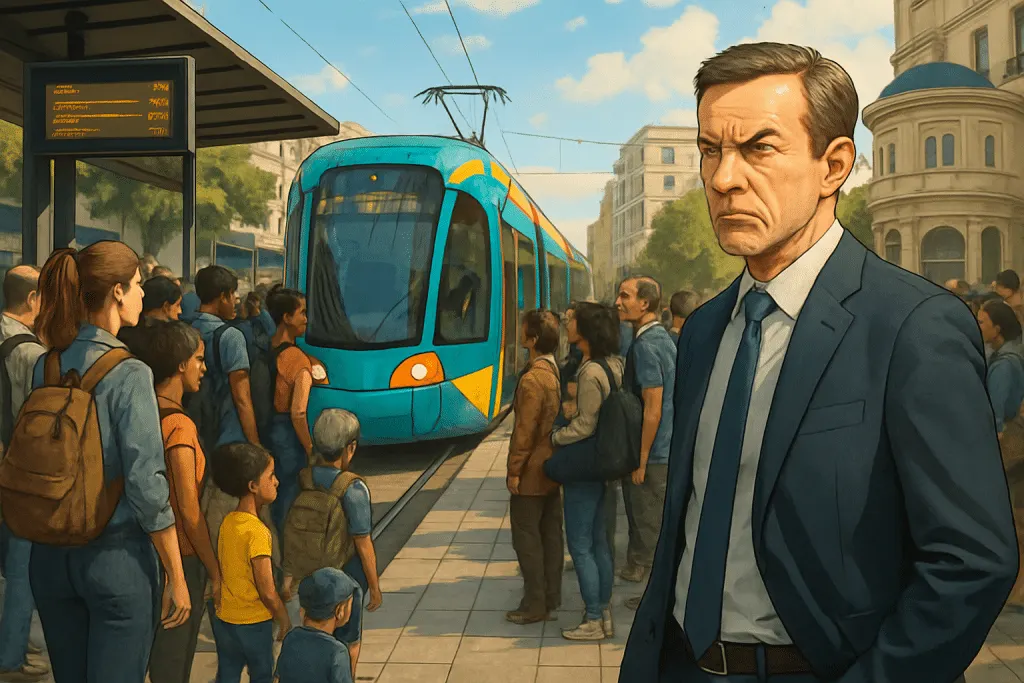
Montpellier, a city at a crossroads regarding mobility policy, recently introduced free public transportation. François Déletraz, president of the National Federation of Transport User Associations (Fnaut), strongly criticized this decision. According to him, this measure is inappropriate and could have negative consequences on the already strained transportation system. Here is a detailed analysis of the points raised by Mr. Déletraz. A Transportation System Under Pressure During his speech in Montpellier, the president of the Fnaut highlighted a glaring reality: the current public transportation system is already saturated. Free transportation, while attractive at first glance, fails to encourage drivers to abandon their vehicles for bus or tram journeys. In fact, it attracts more users who previously traveled on foot or by bicycle. Congestion is particularly felt on tram line 1, which is already at its capacity limit. According to Mr. Déletraz, the increase in ridership, motivated by free tram service, does nothing to improve the travel experience. On the contrary, it degrades the quality of service, making public transport less reliable and less attractive. Structural Problems of Rail Transport François Déletraz goes beyond criticizing the free tram system. He also discusses the difficulties of the rail system. Montpellier is a transit station and not a nerve center, which has consequences for connections with other regions. The TER trains are plagued by a lack of drivers and equipment, leading to numerous train cancellations. Intercités services are insufficient, often leaving trains overcrowded. The situation is worsening with the end of cooperation between SNCF and Renfe. , reducing journeys to Catalonia. Montpellier-Barcelona commuters are disadvantaged by a preference for Paris-Barcelona, leading to a majority reliance on cars. Financial inadequacy of free transport Financially, free transport for all in Montpellier poses a dilemma. The Fnaut (National Federation of Transport) advocates for solidarity pricing, making transport free only for those who truly need it. By making transport free for all, the metropolis is depriving itself of crucial resources to invest in infrastructure. Despite the mayor’s argument regarding mobility payments, François Déletraz highlights the fact that taxpayers will bear the financial burden through local taxes. The construction of new infrastructure, such as the fifth tram line, further exacerbates this burden. Towards more sustainable mobility? Free transport, while attractive, may not offer the sustainable solution Montpellier is hoping for. François Déletraz emphasizes that it is essential to provide better infrastructure and more appropriate transportation services to encourage behavioral change among users. Issues of this nature fuel numerous debates about the state of free transportation in Montpellier and could influence the upcoming municipal elections. For more information on upcoming investments and new lines, see Montpellier Tram Line 5. /etat-des-lieux-des-transports-gratuits-a-montpellier-un-bilan-partage/ /la-ligne-5-de-tramway-a-montpellier-se-devoile-neuf-mois-avant-son-inauguration/
Related reading : Montpellier: Has free public transport reduced the use of cars or bicycles?
Read next
 News from the Montpellier region
Production vidéo à Montpellier : pourquoi les entreprises locales s’y mettent toutes
Montpellier est l’une des métropoles françaises les plus dynamiques en matière de création d’entreprises. Start-up de la
 News from the Montpellier region
Moving to Montpellier: how to manage your housing transition
Every year, thousands of newcomers settle in Montpellier. International students, young professionals, families seeking
 News from the Montpellier region
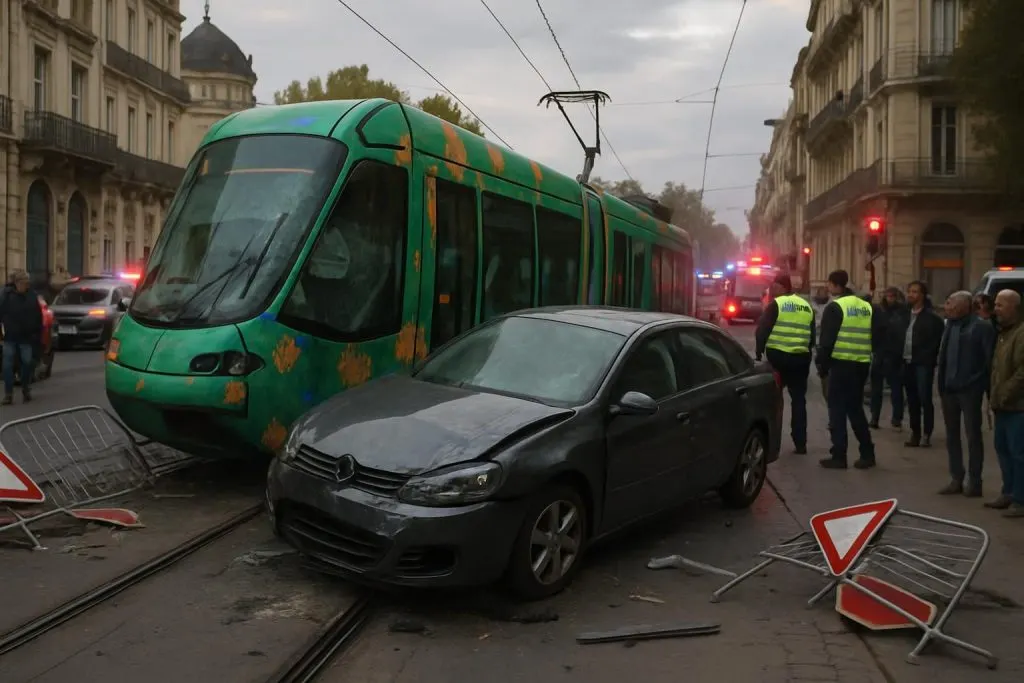
Montpellier: Collision between a car and a tram causes a derailment; the driver of the vehicle flees the scene; traffic is severely disrupted.
Montpellier: Car-Tram Collision, Derailment, and Traffic Disruptions An unusual incident occurred this Friday, January 6