Montpellier, a center of innovation in the medicine of the future
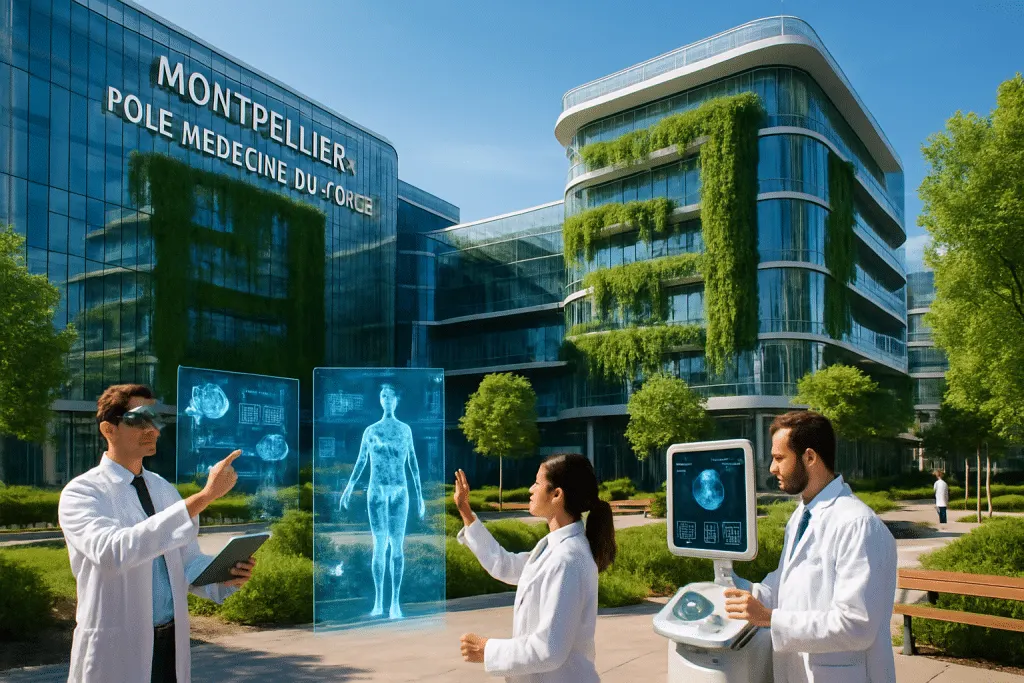
Montpellier is establishing itself as a leader in medical innovation. With its major investments in research, its network of high-level institutes, and its ambitious projects, the city demonstrates an unprecedented commitment to the healthcare sector. The development of the Immun4 Cure University Hospital Institute (IHU), the emergence of new technologies, and its support for startups make the city a key player in the medicine of the future. Montpellier, A Stronghold in Medical Research Montpellier has distinguished itself with the construction of the Immun4 Cure University Hospital Institute (IHU). This center, dedicated to the treatment of autoimmune diseases and the implementation of innovative immunotherapies, is the result of a collaboration between the University Hospital, Inserm, and the local university. A budget of €20 million has been allocated to offer patients innovative therapies and optimize their care pathways. According to Professor Christian Jorgensen, director of this institute, « Montpellier is now a hub in the fight against autoimmune diseases. » Research at the IHU will focus in particular on the reprogramming of Car-T cells, promising a new era of medical treatments. A Collaborative Network at the Heart of Success With the MedVallée project, the Montpellier metropolitan area is promoting an integrated approach to the fields of health, nutrition, and the environment. This project combines sectors of excellence to build a global health hub, drawing on combined expertise in cancer research, robotics, and preventive medical diagnostics. Franck Molina, a pioneer in synthetic biology, is developing revolutionary saliva tests to detect concussions or emotional states in real time. Innovative and Affordable Diagnostics **Scientific advances such as diabetes screening using a urine bead are multiplying thanks to the initiative of researchers and the support of the University Hospital and Innov Biotech. These diagnostics, accessible without the presence of healthcare professionals, are the result of a combination of research, industry, and biotechnology, placing Montpellier at the forefront of medical innovation.**Development of Biotherapies and Bioproduction Montpellier is home to the integrator Occitanie Biotherapies-Bioproduction (Obbi), focused on the development of extracellular vesicles and organoids. This initiative brings together various institutes to accelerate the development of innovations in the field of biomedicines. Dr. Danièle Noël highlights the potential of these vesicles for treating pathologies such as osteoarthritis and systemic sclerosis thanks to their anti-inflammatory effects. New Perspectives in Oncology The Oncology Innovation Transfer Center, with its modern premises, will host startups and research platforms, thus amplifying the transfer of innovations to patients. According to Professor Marc Ychou, accelerating the availability of medical innovations is one of the key objectives for offering new solutions to cancer patients. Support for Startups and IntrapreneurshipIntrapreneurship finds fertile ground at the University Hospital, dedicating an entire floor to startups. This initiative facilitates the promotion of medical and technical expertise, creating a dynamic and constantly innovative center. Professor Costalat emphasizes that « combining fundraising, innovation, and medical practice is a tangible reality in Montpellier. » The Role of Artificial Intelligence AI is also transforming medical practices thanks to the Erios Center, which is working on the integration of healthcare software. for more efficient patient monitoring. By focusing on pediatric emergencies, AI promises to improve the therapeutic solutions offered to patients while ensuring a systemic transformation of the hospital.
Read next
 News from the Montpellier region
Production vidéo à Montpellier : pourquoi les entreprises locales s’y mettent toutes
Montpellier est l’une des métropoles françaises les plus dynamiques en matière de création d’entreprises. Start-up de la
 News from the Montpellier region
Moving to Montpellier: how to manage your housing transition
Every year, thousands of newcomers settle in Montpellier. International students, young professionals, families seeking
 News from the Montpellier region
Montpellier: Collision between a car and a tram causes a derailment; the driver of the vehicle flees the scene; traffic is severely disrupted.
Montpellier: Car-Tram Collision, Derailment, and Traffic Disruptions An unusual incident occurred this Friday, January 6