Montpellier: Adoption of the Climate PLUi, an unprecedented gap is widening between the mayors of the Metropolis

Contents6
On July 16, 2025, the Montpellier Metropolitan Area adopted the Intermunicipal Local Urban Plan (PLUi) Climate, despite ongoing tensions within the 31 municipalities. The decision fractured metropolitan unity, with mayors disagreeing over controversial projects and legal issues. This event marked a turning point in the region’s urban policy, highlighting significant issues and disagreements surrounding more sustainable urban development.
A Controversial Vote Fuels Tensions
Despite calls from some mayors for a postponement, the PLUi Climate was adopted with 26 votes against and one abstention out of 92 voters. This document, intended to shape the urban future of the 31 municipalities of the Montpellier Metropolitan Area, was initially intended to reflect a consensus on urgent environmental concerns.
Development Projects Criticized
The sidelining of four Planning and Programming Guidelines (OAP) exacerbated political tensions. These projects, initially rejected by the public inquiry commission, included the construction of a police station in Pignan, the relocation of a clinic to Castelnau-le-Lez, urban expansion in Vendargues, and the development of the Petit Tinal neighborhood in Lattes.
The Question of Municipal Autonomy
Cyril Meunier, mayor of Lattes, strongly criticized these decisions, emphasizing the loss of municipal autonomy they entail. Accompanied by the mayors of Vendargues and Castelnau-le-Lez, he denounced the lack of consideration for local self-management, calling the vote an “act of resistance.”Legal Risks UnderlinedFrédéric Lafforgue, mayor of Castelnau-le-Lez, warned of the potential legal risks of this hasty adoption: “Postponing until October means avoiding illegality.”
”. However, Michaël Delafosse, President of the Métropole, insisted on the urgency of finalizing this process, which began ten years ago.
Discomfort in the Face of the Climate CrisisFor some, thisPLUi Climat
misses its primary objective. Célie Serrano, an elected Green, criticized the lack of solid measures against the climate crisis, highlighting the planned 750 hectares of concreting. The initial promise of co-construction seems to have been undermined by these internal disagreements.
Consequences and Various Reactions The divide is now palpable in the Métropole. Bernard Modot, elected representative in Lattes, believes that this precedent could affect all municipalities: “What is happening to these three municipalities will eventually happen to you.” The adoption of the PLUi thus marks a critical turning point, with consequences that will extend well beyond immediate projects. A Changing Meteorological and Economic Climate
While the Métropole faces an uncertain future for urban projects, others Economic aspects are showing notable dynamism. Near Montpellier, for example, the town of Mauguio stands out for its vitality thanks to initiatives such as the « strawberry rain, » a business opportunity for the region. Capitalizing on such innovative ideas could provide effective solutions for future urban integration. For weather forecasts specific to Montpellier and its surrounding areas, consult the detailed reports available here, here, or here.
/meteo-annoncee-pour-montpellier-et-ses-alentours-le-dimanche-6-juillet-2025/ /previsions-meteorologiques-pour-montpellier-et-ses-alentours-le-mercredi-21-mai-2025/ /meteo-de-montpellier-et-ses-environs-pour-le-samedi-14-juin-2025-ce-que-vous-devez-savoir/
Read next
 News from the Montpellier region
Production vidéo à Montpellier : pourquoi les entreprises locales s’y mettent toutes
Montpellier est l’une des métropoles françaises les plus dynamiques en matière de création d’entreprises. Start-up de la
 News from the Montpellier region
Moving to Montpellier: how to manage your housing transition
Every year, thousands of newcomers settle in Montpellier. International students, young professionals, families seeking
 News from the Montpellier region
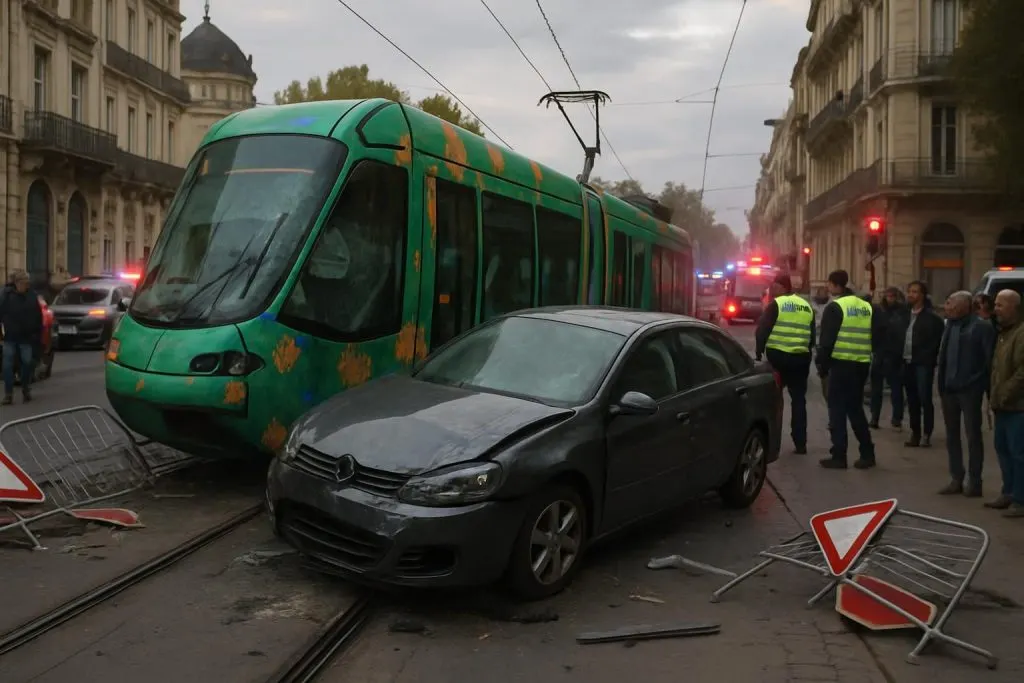
Montpellier: Collision between a car and a tram causes a derailment; the driver of the vehicle flees the scene; traffic is severely disrupted.
Montpellier: Car-Tram Collision, Derailment, and Traffic Disruptions An unusual incident occurred this Friday, January 6