Montpellier celebrates the Palestinian National Theatre and its founder François Abou Salem: a vibrant tribute
Contents3
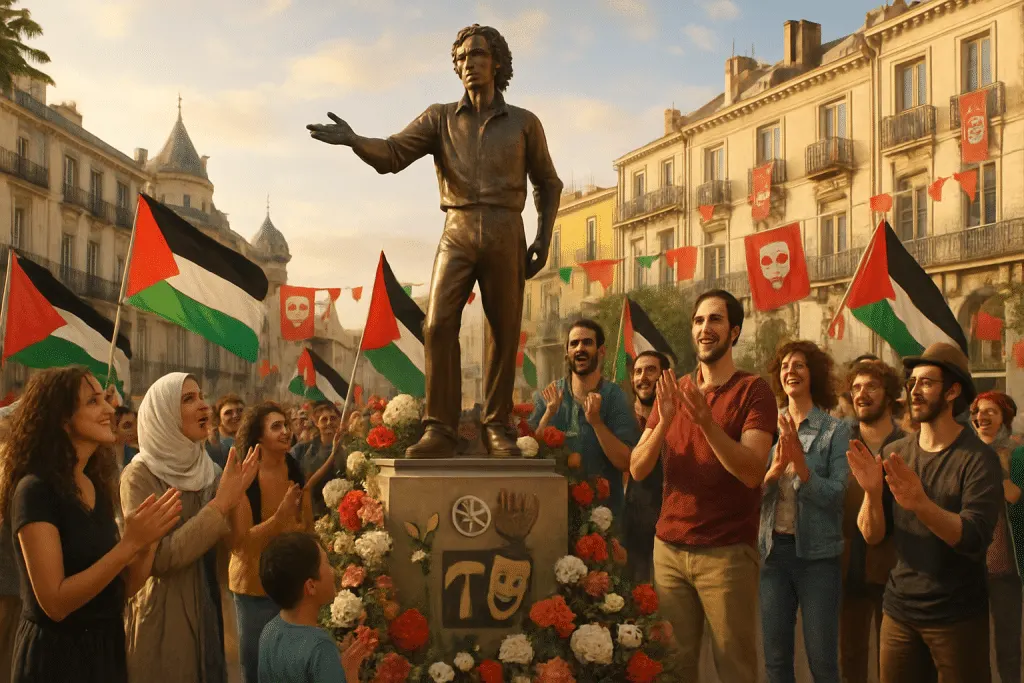
The city of Montpellier recently hosted a unique cultural event, paying tribute to the Palestinian National Theatre and its charismatic founder, François Abou Salem. This tribute was distinguished by its emotional depth and commitment, and featured theatrical performances, engaging discussions, and enriching exchanges between communities. In the vibrant atmosphere of the Théâtre des 13 Vents, artists, academics, and audience members gathered to honor a theatrical legacy that has transcended borders to become a symbol of resilience and creativity.
A Celebration of the Palestinian National Theatre
The Palestinian National Theatre, founded by the visionary François Abou Salem, is more than just an artistic institution; it is a true ambassador of Palestinian culture and identity on the world stage. In Montpellier, the tribute to this theatre took the form of a series of events where performances highlighted the indomitable spirit and rich Palestinian culture. These events captivated audiences with innovative staging and poignant performances that transcended generations.
François Abou Salem: An Inspiring Visionary
With a career marked by an unwavering devotion to theatrical art, François Abou Salem remains an emblematic figure of the Palestinian theatrical scene. His work has consistently pushed boundaries, creating groundbreaking pieces that break with established aesthetic norms and avoid any hint of repetition. In Montpellier, his contributions were celebrated not only as artistic achievements but also as acts of cultural and political resistance. The Mediterranean Performing Arts Biennial provided an ideal setting to explore the complex questions his plays raise, ranging from theatrical archives to the contemporary nature of his productions.
A Place for Encounters and Reflection The Théâtre des 13 vents, under the dynamic direction of Nathalie Garraud and Olivier Saccomano, played a central role in this tribute. By combining the Biennial with the « Qui vive » program, a space was created for open and frank discussions on topics such as theatrical aesthetics and the fading of works over time. Olivier Neveux, a researcher and professor of dramatic history, led a vibrant seminar that captivated participants with its analytical depth.
In this lively and enriching atmosphere, the audience was also made aware of the importance of initiatives like this event, which foster intercultural dialogue and support social justice through the arts. The natural connection to contemporary issues is also reflected in local tensions, such as those mentioned in the recent municipal debates in Montpellier regarding the twinning with Tiberias in Israel. More information on this can be found on the website here. Solidarity Through ArtBeyond artistic recognition, this tribute also addressed the political dimension of Abou Salem’s work. The performances and discussions highlighted solidarity with the Palestinian people, reinforced by recent events such as the occupation of La Comédie, thus demonstrating the strong connection between art and politics. To explore this dynamic further, visit the full report
here
Future PerspectivesAs Montpellier continues to develop its cultural exchanges, the tribute to the Palestinian National Theatre remains a significant milestone in strengthening intercultural ties. By offering a space for dialogue and reflection, this type of event demonstrates how art can serve as a powerful tool for peace and mutual understanding.
Read next
 News from the Montpellier region
Production vidéo à Montpellier : pourquoi les entreprises locales s’y mettent toutes
Montpellier est l’une des métropoles françaises les plus dynamiques en matière de création d’entreprises. Start-up de la
 News from the Montpellier region
Moving to Montpellier: how to manage your housing transition
Every year, thousands of newcomers settle in Montpellier. International students, young professionals, families seeking
 News from the Montpellier region
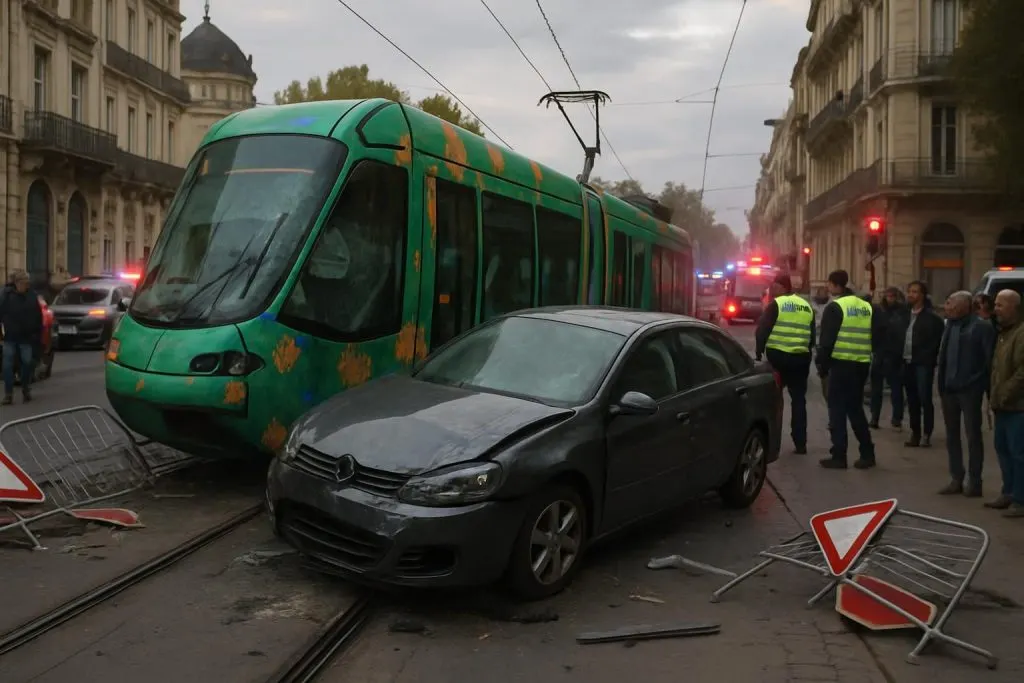
Montpellier: Collision between a car and a tram causes a derailment; the driver of the vehicle flees the scene; traffic is severely disrupted.
Montpellier: Car-Tram Collision, Derailment, and Traffic Disruptions An unusual incident occurred this Friday, January 6