Montpellier: Delafosse fails in the face of low-emission zones, reason prevails
Contents3
A vote in the National Assembly reversed the plans by repealing **Low Emission Zones (LEZs), a decision that marks a political turning point for Montpellier. While Michaël Delafosse, a fervent defender of LEZs, saw his efforts thwarted, it was a victory for his opponents like Laurent Jaoul and activists, who believed these zones were socially discriminatory. Between political rivalries and environmental issues, this reversal reflects the complexity of the debates surrounding urban and social ecology in Montpellier.**The National Assembly’s Unexpected Decision
A dramatic turn of events
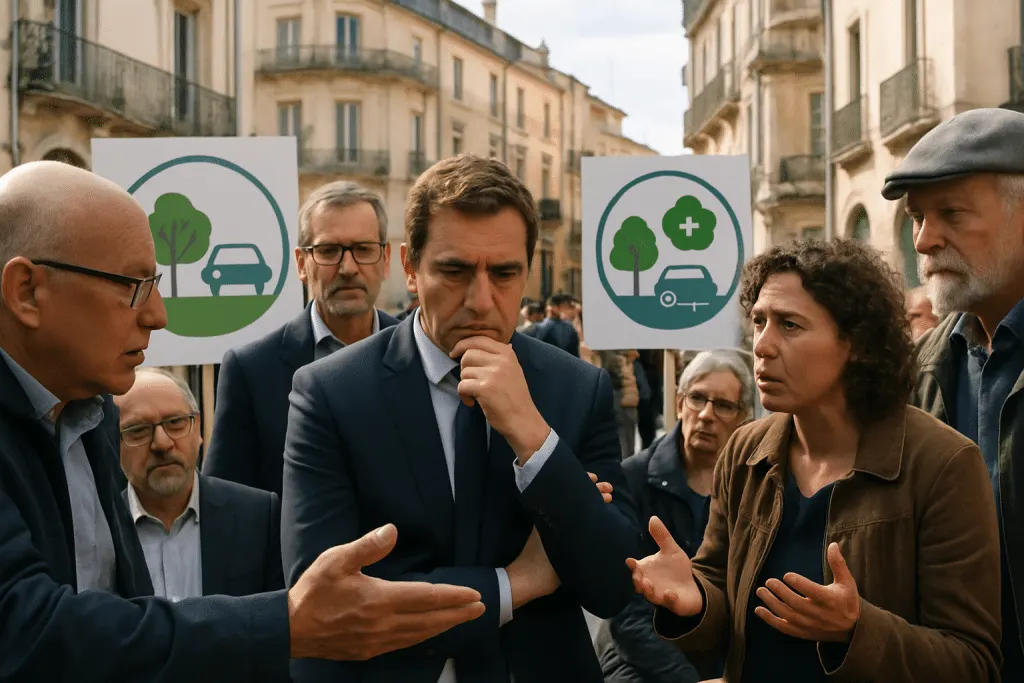
at the National Assembly this Wednesday, May 28: MPs voted to repeal the LEZs, dealing a significant setback to the plans championed by Michaël Delafosse, Mayor of Montpellier. This vote, welcomed as a victory by opponents of LEZs, puts an end to a flagship policy of the city, which aimed to improve urban air quality. Laurent Jaoul’s tireless commitment Laurent Jaoul, mayor of Saint-Brès, played a decisive role by opposing ZFEs from the outset, which he considered a measure harmful to the poorest. He rallied elected officials and citizens around this cause, seeing ZFEs as an attempt at social exclusion under the guise of environmental protection. With allies like the activist writer Alexandre Jardin, they made their voices heard all the way to the National Assembly.
A Broader Protest
Rémi Gaillard, known for his offbeat activism, also contributed to this unavoidable opposition. He strongly criticized the use of public funds to promote ZFEs, pointing to the communication campaigns financed by the Métropole to defend the measure, particularly in local media such as La Gazette de Montpellier.
Michaël Delafosse’s Setback
For Michaël Delafosse, the disappointment is bitter. He, who had taken numerous concrete initiatives to implement these low-emission zones, finds himself with his flagship project buried. Panel installations, municipal bylaws, discussions in the Metropolitan Council: all of this is now being called into question. This decision illustrates a divide between environmental objectives and political realities. The Challenge of Low-Emission Zones: Between Environment and SocietyThe debate is not limited to political rivalries. Low-emission zones were an instrument presented by the government to improve air quality and protect public health. However, in the face of criticism over their perceived elitist and exclusionary nature, they have sparked discussions on the balance between ecology and social justice. This vote reflects a significant portion of the population desiring a more inclusive debate, balanced between environmental interests and socio-economic impacts.
Read next
 News from the Montpellier region
Production vidéo à Montpellier : pourquoi les entreprises locales s’y mettent toutes
Montpellier est l’une des métropoles françaises les plus dynamiques en matière de création d’entreprises. Start-up de la
 News from the Montpellier region
Moving to Montpellier: how to manage your housing transition
Every year, thousands of newcomers settle in Montpellier. International students, young professionals, families seeking
 News from the Montpellier region
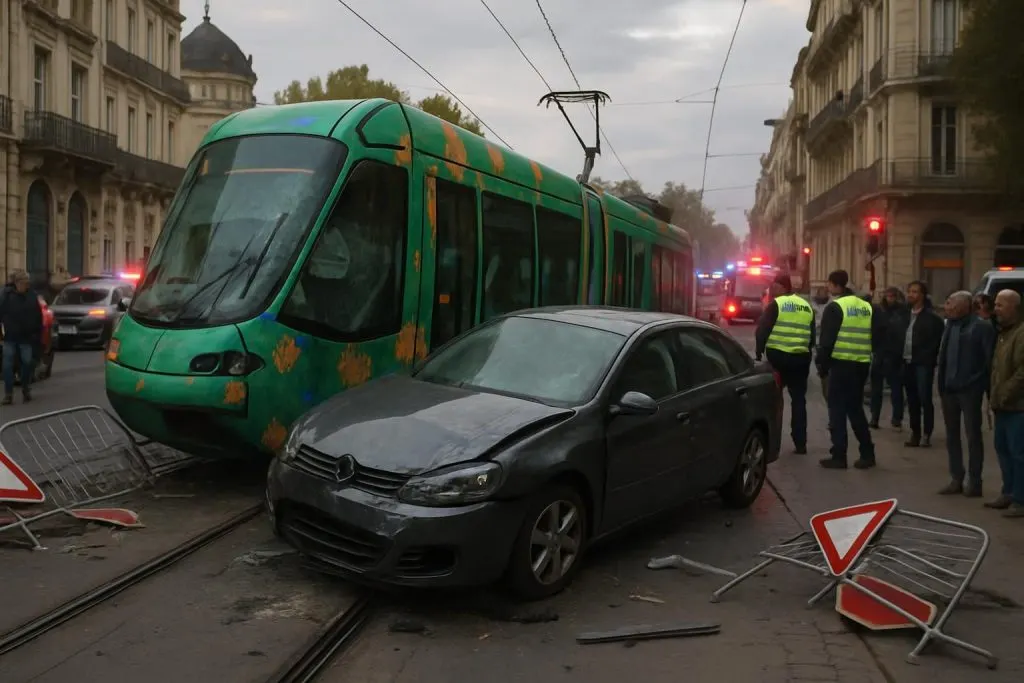
Montpellier: Collision between a car and a tram causes a derailment; the driver of the vehicle flees the scene; traffic is severely disrupted.
Montpellier: Car-Tram Collision, Derailment, and Traffic Disruptions An unusual incident occurred this Friday, January 6