Montpellier faces decline in tourism: Airbnb rental regulations raise economic concerns
Contents4
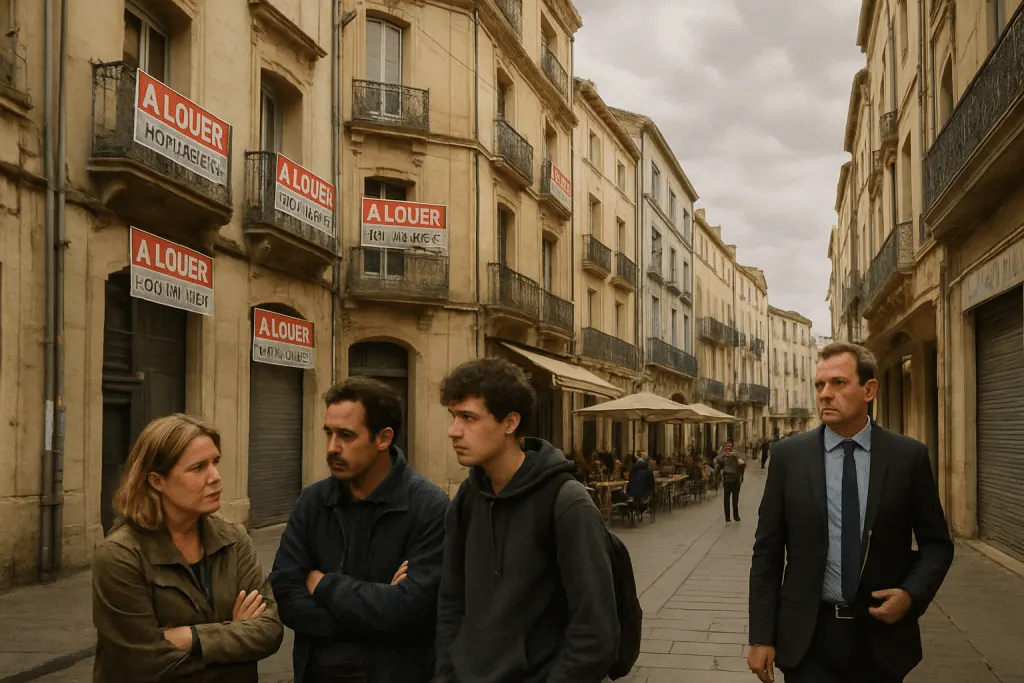
In Montpellier, the regulation of Airbnb rentals, aimed at limiting abuse and reducing real estate speculation, raises concerns about its potential impacts on the city’s economy. Although these measures have regulated the tourist tax, critics point to a potential drop in tourism and associated revenues. Between restrictive administrative procedures and limitations on rental days, the City of Montpellier is trying to find a balance, but players in the tourist market express their reservations.
Related reading : “Montpellier: Airbnb rental regulations limited to 90 days per year”
Necessary but controversial regulation
Faced with a saturated real estate market and the risk of speculation encouraged by short term rentals, the City of Montpellier decided in 2021 to strengthen the supervision of platforms like Airbnb. The obligation to register with the town hall and the limitation to 120 days of rental per year were put in place to reduce tourist tax fraud, but these measures remain controversial.
Many lessors expressed their dissatisfaction, finding these measures penalizing and dissuasive. They say the administrative procedures are cumbersome and discourage potential investment in new housing. Kevin Coulm, local entrepreneur, stressed that this framework demotivates those who wish to launch into the activity of renting furnished tourist accommodation, thus slowing down a form of potential wealth for the territory.
Impact on tourism and the local economy
The fear of seeing a decline of tourism The concern expressed in Montpellier is shared by many stakeholders in the sector. Reducing the number of rental days for primary residences could lead to a decrease in the number of tourists, impacting not only landlords, but also businesses, restaurants, and the local economy in general. Mathieu Colombier emphasizes that « fewer tourists means less tourist tax revenue, » a crucial financial resource for the city.
The law planned for 2024, further lowering the number of rental days to 90, raises further concerns. For some, these decisions will not solve the problem of the long-term housing shortage and constitute more political rhetoric than a tangible economic reality.
The Challenges of the Tourist Tax
The tourist tax, collected from furnished tourist accommodation platforms, represents significant revenue for the City of Montpellier. In 2024, the platforms paid out €1.76 million of this tax. However, some collection discrepancies are still observed, although significantly lower than in other legal cases in France. However, the City of Montpellier, in collaboration with the General Treasury, is working to ensure fair and regular collection of these taxes, conducting « ex officio taxation » procedures for irregular cases.
Toward an Uncertain Future
The situation in Montpellier reflects the challenges faced by many cities around the world in managing short-term rental platforms. Decisions made now could have lasting implications for the city’s economy and social fabric. In the meantime, the City continues to seek a balance between necessary regulation and economic dynamism.
To learn more about the challenges facing Montpellier, you can read the article on the metropolis’s new challenges here.
Read next
 News from the Montpellier region
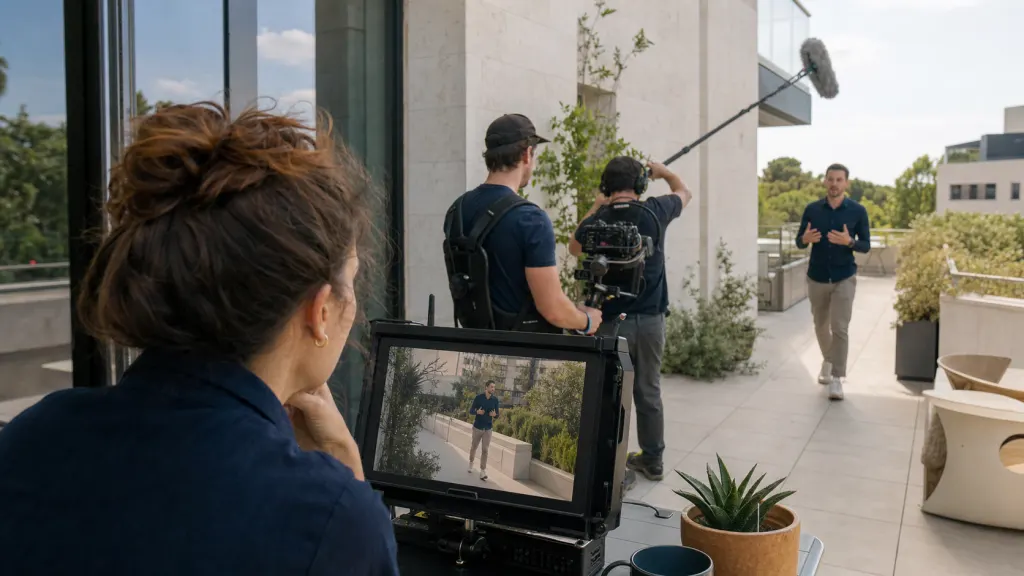
Production vidéo à Montpellier : pourquoi les entreprises locales s’y mettent toutes
Montpellier est l’une des métropoles françaises les plus dynamiques en matière de création d’entreprises. Start-up de la
 News from the Montpellier region
Moving to Montpellier: how to manage your housing transition
Every year, thousands of newcomers settle in Montpellier. International students, young professionals, families seeking
 News from the Montpellier region
Montpellier: Collision between a car and a tram causes a derailment; the driver of the vehicle flees the scene; traffic is severely disrupted.
Montpellier: Car-Tram Collision, Derailment, and Traffic Disruptions An unusual incident occurred this Friday, January 6