Montpellier improves its performance: Review of the 4th Bicycle Barometer
Contents3
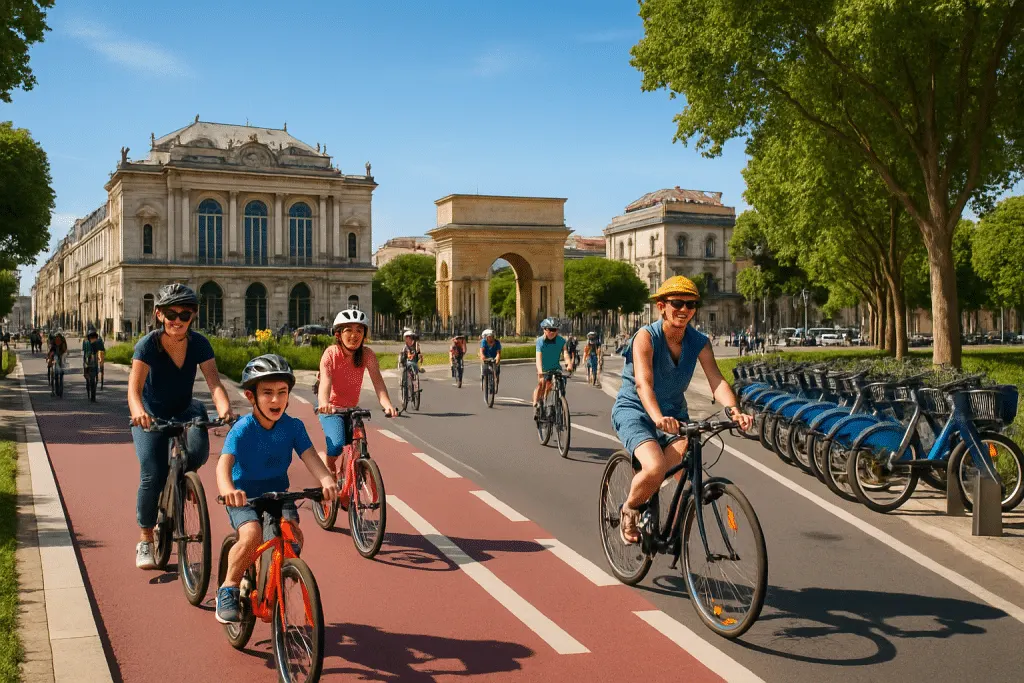
The latest Cycling Barometer, conducted by the Fédération des Usagers de la Vélo (FUB), reveals significant progress for Montpellier and its neighboring municipalities. With exceptional citizen participation and notable improvements in cycling infrastructure, Montpellier continues to develop as a cycling-friendly city. However, despite these positive developments, some challenges remain, particularly in terms of safety and amenities. This article explores the detailed results of the Barometer, the municipality’s recent initiatives, and areas for improvement to achieve an ideal cycling environment.
Remarkable Citizen Participation
Montpellier stood out for its massive citizen participation in the Cycling Barometer, with 3,931 responses. Only Paris and Lyon recorded more responses, placing Montpellier third in the country in terms of participation. This significant involvement demonstrates Montpellier residents’ growing interest in cycling issues and their desire to get involved in urban planning. Of the 31 municipalities in the metropolitan area, all reached the required participation threshold for evaluation, highlighting the region’s collective momentum. Improving results for Montpellier With an average score of 3.56, up from 3.05 in 2021, Montpellier shows a notable improvement. However, the city fell in the ranking, dropping from 7th to 8th place among the eleven largest French cities. This result highlights the growing competition among cities, like Montpellier, which are focusing their efforts on improving cycling infrastructure.
Key achievements
The Montpellier City Council has made major progress with collaborative projects on roads such as Gambetta, Rue Doria, and Route de Mende. These projects have been praised by Montpellier residents and constitute a model of urban consultation. They demonstrate a strong correlation between citizen sentiment and data from the Vélocité Observatory, indicating that planning efforts are beginning to bear fruit. Persistent Infrastructure Challenges Despite this progress, several bottlenecks persist in Montpellier. According to residents, problems persist on most major roads such as Avenue du Père Soulas and Boulevard Vieussens. Roundabouts and major intersections also pose safety challenges, where cyclists feel vulnerable. Improvements are needed for inter-municipal connections and the development of an express bicycle network, which is still under construction. National perceptions
Nationally, nearly 60% of cyclists do not feel safe, and 50% believe that cycling facilities are insufficient. These figures highlight that while progress has been made, France still needs to work to provide a safe environment for all cyclists.
Municipalities at the forefront In the Montpellier metropolitan area, certain municipalities stand out for their cycling efforts. Jacou ranks prominently in the national top 10 of « suburban municipalities » with a score of 4.24. Pérols and Clapiers follow with excellent scores. Although Montpellier receives a good score for its efforts, some municipalities such as Castelnau and Saint-Jean-de-Védas show disappointing results, signaling a need to accelerate cycling initiatives in these areas.
Read next
 News from the Montpellier region
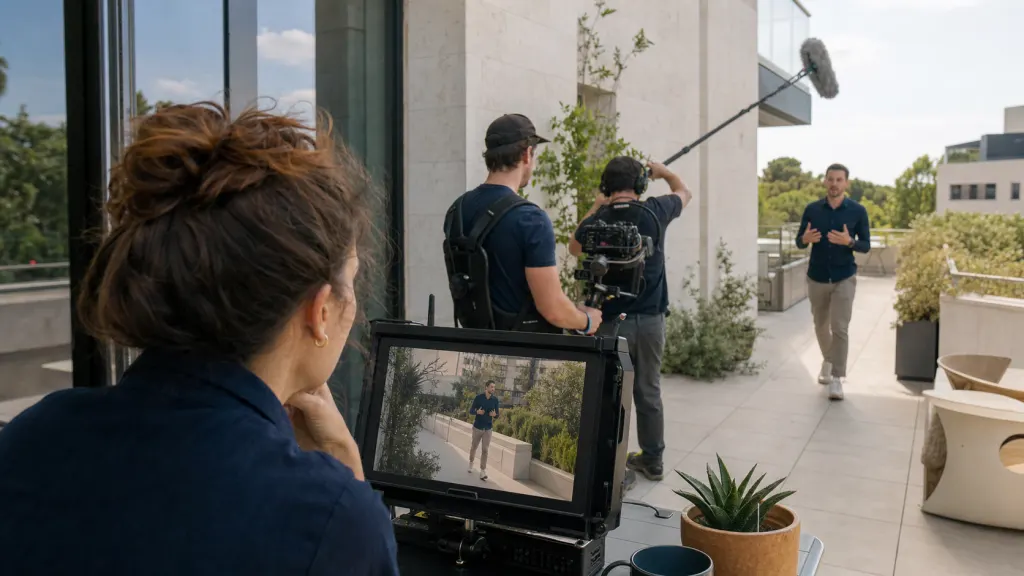
Production vidéo à Montpellier : pourquoi les entreprises locales s’y mettent toutes
Montpellier est l’une des métropoles françaises les plus dynamiques en matière de création d’entreprises. Start-up de la
 News from the Montpellier region
Moving to Montpellier: how to manage your housing transition
Every year, thousands of newcomers settle in Montpellier. International students, young professionals, families seeking
 News from the Montpellier region
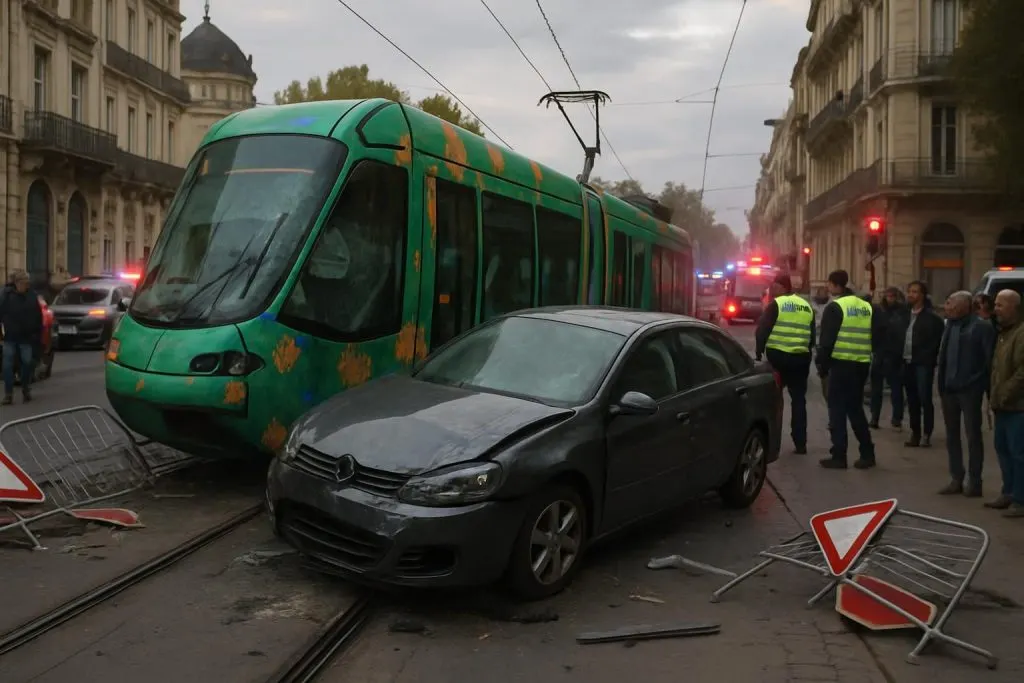
Montpellier: Collision between a car and a tram causes a derailment; the driver of the vehicle flees the scene; traffic is severely disrupted.
Montpellier: Car-Tram Collision, Derailment, and Traffic Disruptions An unusual incident occurred this Friday, January 6