Angry farmers: tractors invade the center of Montpellier to protest against the Mercosur agreement
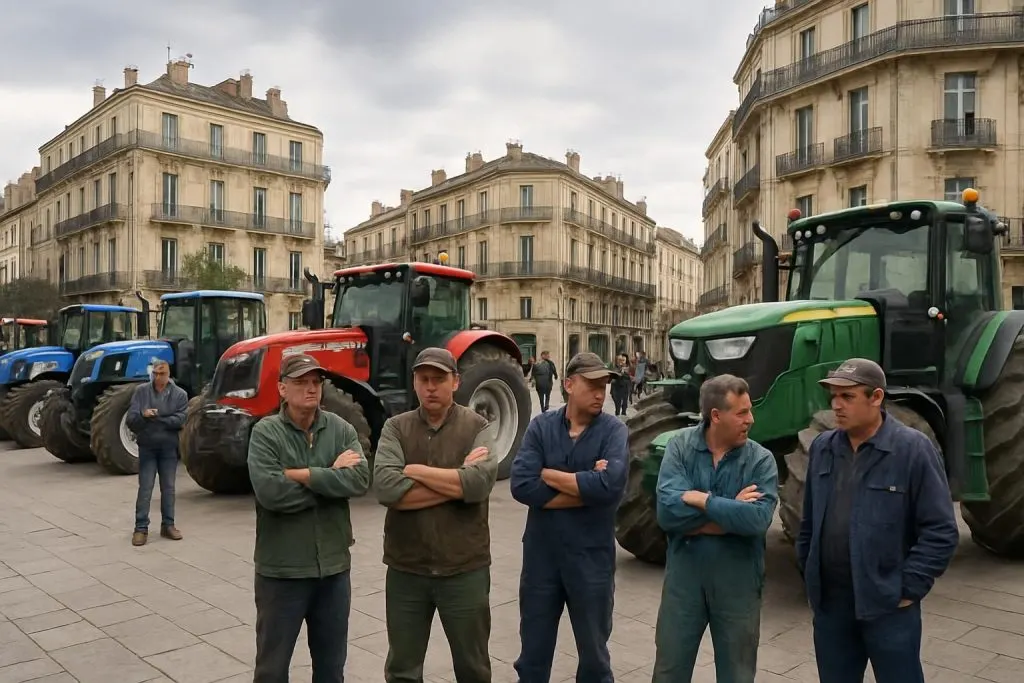
On Friday, January 9, 2026, a large number of tractors paraded through the center of Montpellier, responding to a call from the Young Farmers and the Hérault branch of the FDSEA (National Federation of Farmers’ Unions). In reaction to the free trade agreement between the European Union and the Mercosur countries, the demonstrators dumped agricultural waste in front of the Arc de Triomphe. The agreement, deemed dangerous by the French agricultural sector, could, according to them, lead to unfair competition in the European market. The starting point: tractors storming the city center From dawn, the streets of Montpellier were filled with numerous tractors. At the call of the Young Farmers of Hérault (34) and the FDSEA, these vehicles converged on the city center at a steady pace. The action aimed to demonstrate strong opposition to the free trade agreement currently being negotiated in Brussels. Shortly after 6 a.m., the protesters reached the Arc de Triomphe, where they dumped various agricultural waste materials on the street to amplify their anger. A demonstration orchestrated in key locationsThe movement was not confined to the center of Montpellier. Before arriving at the Arc de Triomphe, the procession passed by the Water Agency, where manure was dumped. This stop on their route preceded the march to the Hérault Prefecture, the protesters’ final destination for the day. The desire to increase pressure on decision-making bodies was clear through the strategic choice of these locations. The Mercosur agreement, a major point of contention At the heart of this mobilization is the controversy surrounding the agreement between the European Union and Mercosur. If ratified, this agreement would apply to a free trade zone encompassing more than 700 million consumers, including Argentina, Brazil, Paraguay, and Uruguay. Agricultural unions denounce what they consider unfair competition, pointing to the massive influx of low-priced agricultural products that do not meet the same standards as those in force in Europe. Tense context for the agricultural sector This action in Montpellier comes at a time of high tension in the agricultural sector. Producers are facing significant challenges: a health crisis in livestock farms due to lumpy skin disease, increased pressure on their incomes, not to mention constantly rising production costs. The Mercosur agreement, by allowing the import of foreign products without adhering to the same strict criteria, represents, in their eyes, an additional threat. Uncertain Outlook at the European LevelAlthough President Emmanuel Macron has expressed France’s opposition to this agreement, its ratification by Europe is not out of the question. A qualified majority could endorse the project, with Italy appearing to support it. However, several countries, including Poland, Hungary, Ireland, and Austria, oppose it but are not in a position to form a blocking minority. This tense political situation reinforces the uncertainty surrounding the future of French agriculture.
Related reading : In Montpellier, tractors and farmers united to make their demands heard in the city center
Read next
 News from the Montpellier region
Production vidéo à Montpellier : pourquoi les entreprises locales s’y mettent toutes
Montpellier est l’une des métropoles françaises les plus dynamiques en matière de création d’entreprises. Start-up de la
 News from the Montpellier region
Moving to Montpellier: how to manage your housing transition
Every year, thousands of newcomers settle in Montpellier. International students, young professionals, families seeking
 News from the Montpellier region
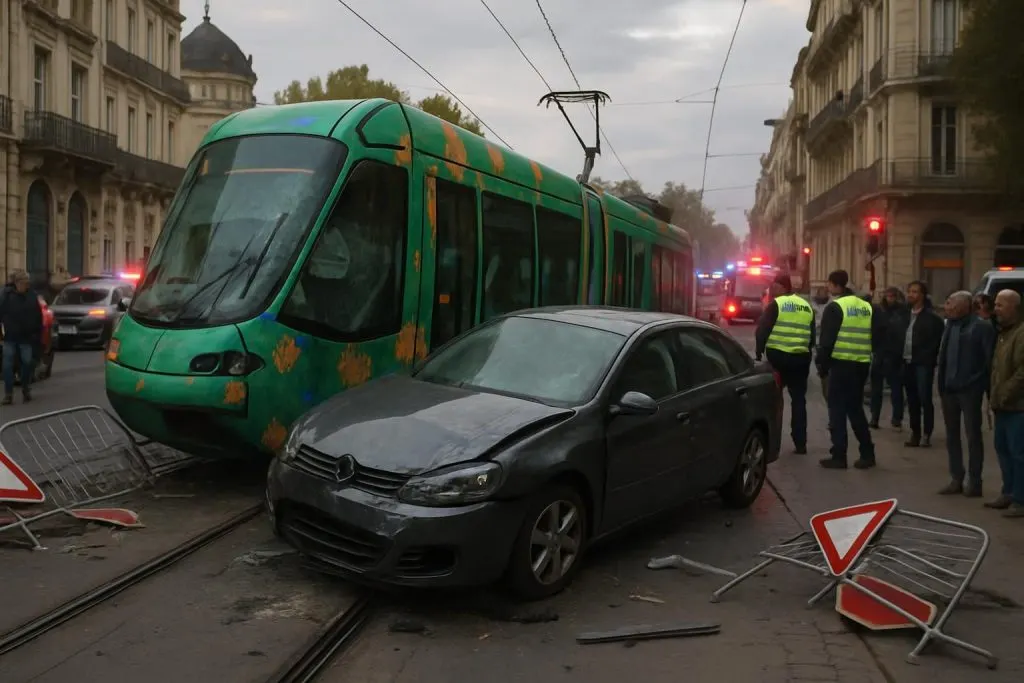
Montpellier: Collision between a car and a tram causes a derailment; the driver of the vehicle flees the scene; traffic is severely disrupted.
Montpellier: Car-Tram Collision, Derailment, and Traffic Disruptions An unusual incident occurred this Friday, January 6