Météo-France predicts that Paris could experience Montpellier temperatures by the end of the century

Contents4
Météo-France warns: at the current rate of global warming, the French capital is preparing to experience a climate similar to that of Montpellier by 2100. Experts estimate a significant increase in temperatures, transforming the urban environment in the face of these unprecedented climatic conditions. While Paris could reach an average annual temperature of 15°C, some regions in the south of France could see peaks similar to those in Andalusia. This article explores these alarming forecasts and their impacts on urban and rural life in France.
Météo-France predicts a worrying scenario
In its recent forecasts, Météo-France announces a future where Paris could become the new epicenter of a Mediterranean climate. The Paris metropolitan area could see its average annual temperature rise to 15°C, which is currently equivalent to the mild and pleasant climate of the region of Montpellier. This projection is also accompanied by particularly hot days in summer that can exceed 36°C, making the daily lives of Parisians very different from what we know today. For those interested in the current climate forecast, you can check the latest information on the weather in Montpellier via these weather forecast.
Radical changes for the south of France
Climate change is not limited to the Paris region. Météo-France underlines that the southern half of the country could experience annualized temperatures beyond 18°C, similar to today’s climate in Andalusia. Cities like Marseille and Toulouse could see their residents face prolonged heatwaves, more frequent droughts and increased stress on water resources. For an update on local forecasts in Montpellier, visit this link.
Consequences on biodiversity and agriculture
In addition to the impact on urban life, these climatic transformations will have repercussions on biodiversity and theagriculture. Plant and animal species will have to adapt or risk extinction, while farmers will have to revisit their methods and crops to adapt to new conditions. Experts add that plant growth periods could be altered, requiring innovative management of available resources. To explore how the climate is changing in your region, check out this page.
How can we prepare cities for this climate future?
If experienced, this significant rise in temperatures will require cities to reorganize aroundsustainable urbanization. Paris and other major cities will need to invest in green infrastructure, including more urban green spaces to reduce heat islands, as well as innovations in water and energy management. Considering solutions now would help mitigate some of the anticipated impacts and ensure resilience in the face of this inevitable change. To learn more about local weather initiatives, visit this source.
Read next
 News from the Montpellier region
Production vidéo à Montpellier : pourquoi les entreprises locales s’y mettent toutes
Montpellier est l’une des métropoles françaises les plus dynamiques en matière de création d’entreprises. Start-up de la
 News from the Montpellier region
Moving to Montpellier: how to manage your housing transition
Every year, thousands of newcomers settle in Montpellier. International students, young professionals, families seeking
 News from the Montpellier region
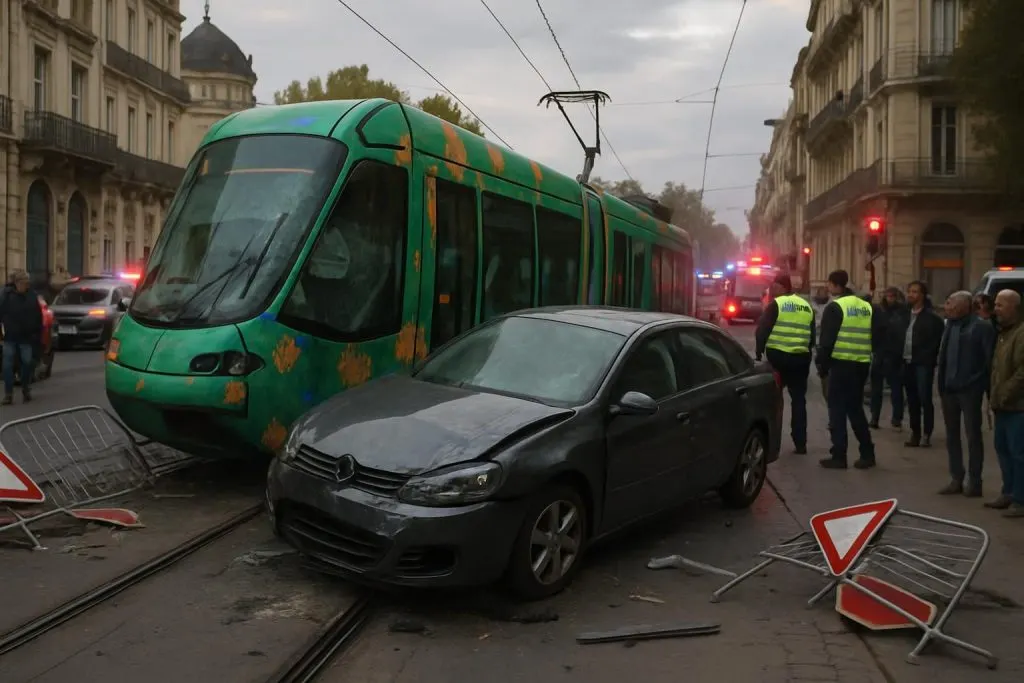
Montpellier: Collision between a car and a tram causes a derailment; the driver of the vehicle flees the scene; traffic is severely disrupted.
Montpellier: Car-Tram Collision, Derailment, and Traffic Disruptions An unusual incident occurred this Friday, January 6